
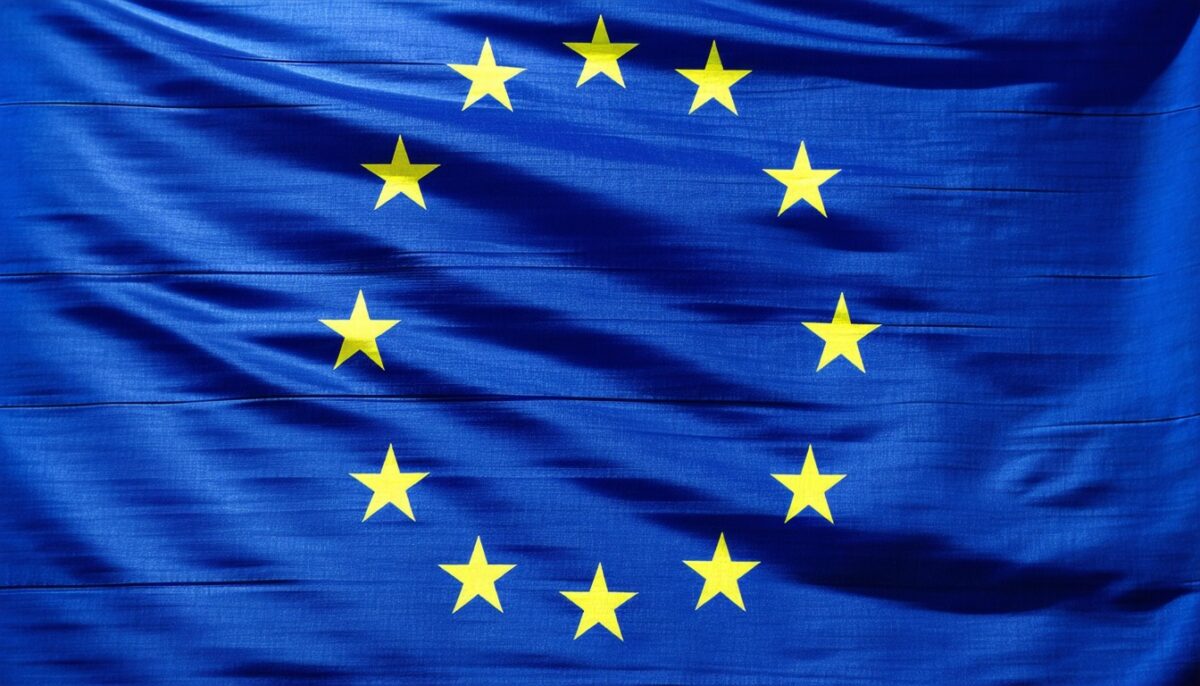

The European Union (EU) represents one of the world’s largest and most influential markets. For individuals and organizations seeking to live, work, drive, or conduct business across its member states, obtaining an EU license can unlock significant freedoms and opportunities. Whether referring to a driver’s license, a business operating license, or specialized industry certificates, an EU license legitimizes activity in a landscape defined by cross-border standards, safety, and regulatory compliance.
Amid rapid globalization, the ability to legally operate across EU countries is a strategic asset, impacting everything from employment mobility to supply chain access. With Brexit and shifting global trade patterns, understanding the nuances and benefits of obtaining an EU license is more relevant than ever.
Key Requirements for Obtaining an EU License
Securing an EU license—whether for driving, professional practice, or commercial activity—requires meeting sets of criteria, some standard across the EU and others unique to each member state. While specific details vary by license type, several consistent requirements are seen throughout the bloc.
Personal Documentation and Residency
Most EU licenses demand:
- Valid proof of identity (passport or national ID)
- Documentation of legal residency in the issuing EU member state
- Evidence of age (for example, minimum age thresholds for driving or certain business roles)
In the case of a driving license, residency is typically defined as living in the country for at least 185 days in a calendar year.
Evidence of Skills or Qualifications
Many EU licenses, such as those for medical professionals or transport operators, necessitate:
- Valid diplomas or certifications recognized under EU law
- Proof of passing standardized exams (practical and theoretical), especially for regulated professions
Recognition of professional qualifications is harmonized under Directive 2005/36/EC, streamlining the process for eligible applicants across EU countries.
Clean Record and Compliance
Applicants are often required to show:
- A clean criminal background, especially for sensitive roles (banking, healthcare)
- Compliance with any ongoing professional development or training regulations
- Payment of relevant fees and taxes
In highly regulated sectors—such as financial services or food safety—additional due diligence may apply.
Step-by-Step Process to Secure an EU License
Although details differ by member state and license type, the process from application to issuance follows a broadly similar structure.
1. Preparation and Research
The first step is gathering up-to-date requirements from official EU and national authority websites. With legislative changes and new digital processes, guidelines can shift rapidly. Document checks, translations, and possible apostilles should be tackled early in the process.
2. Application Submission
For most EU licenses:
- Submit an online or in-person application to the relevant authority (such as a driving bureau, business registrar, or professional council)
- Include notarized copies of documents, passport photos, proof of address, and qualification evidence
- Pay required fees
Digitalization has streamlined this step in many countries, with online portals and eID verification becoming standard.
3. Testing and Evaluation
For professions and trades—or for a driving license—candidates must typically:
- Pass written and/or practical exams
- Demonstrate language proficiency, often in the language of the host country or in English
- Undergo medical or background checks
Some professional bodies require ongoing assessment or probationary periods for new license holders.
4. Issuance and Recognition Across the EU
Once approved, licenses are generally valid throughout the EU or recognized under mutual recognition agreements. For certain high-skill professions, mobile professionals can operate across borders without repeating the full process.
“The harmonization of EU licensing standards means that professionals and businesses can provide services across borders more seamlessly than in almost any other region,” says Anja Keller, an EU policy analyst based in Berlin. “This regulatory predictability reduces friction and drives economic integration across the continent.”
Major Types of EU Licenses and Their Benefits
EU Driving License: Mobility Without Borders
Thanks to Directive 2006/126/EC, an EU driving license issued by any member state is valid throughout the EU, EEA, and select partner countries. This allows both residents and expatriates to drive freely, supporting personal and professional mobility.
Key Benefits:
- Freedom of movement for work, study, and tourism
- Streamlined exchange process for non-EU license holders
- Uniform safety and training standards across states
Professional Licenses: European Recognition of Skills
Doctors, architects, engineers, and other skilled professionals increasingly seek EU-recognized credentials. Initiatives like the European Professional Card (EPC) enable digital verification and greater cross-border labor mobility.
Benefits for Professionals:
- Expanded job opportunities across multiple countries
- Simplified registration for temporary or project-based work
- Higher earning potential and access to scarce-skills markets
Business Licenses: Market Access for Companies
Whether opening a branch office, operating e-commerce, or launching a regulated service, having an EU business license facilitates entry into the single market. The Services Directive (2006/123/EC) and various sectoral regulations support this ecosystem.
Advantages:
- Access to over 400 million consumers in a unified market
- Enhanced credibility and reduced legal risks
- Eligibility for EU funding, public procurement, and cross-border partnerships
Challenges and Pitfalls to Avoid
While the EU licensing process is designed to be transparent, several hurdles can complicate the journey:
- Variations in national procedures: Some countries impose stricter documentary or language requirements.
- Delays in processing: Especially in sectors facing high demand or additional security checks.
- Recognition gaps: Certain professions or specializations face patchy mutual recognition, requiring additional vetting.
Applicants are strongly advised to start their research well in advance, use certified translators, and seek specialized legal or regulatory support if needed.
The Strategic Value of an EU License
The strategic utility of an EU license extends far beyond mere compliance. For professionals, it signals skills that meet pan-European standards. For companies, it’s a “passport” to the EU’s vast regulatory and consumer environment.
International corporations routinely cite their EU licenses when entering new markets or establishing trust with partners and customers. In a post-Brexit era, British firms, for instance, increasingly view dual licensing—holding both UK and EU approvals—as an essential hedge against regulatory uncertainty.
As digital transformation continues to reshape licensing regimes, reforms such as e-licenses, blockchain verification, and pan-EU digital ID systems are set to further streamline access and bolster trust.
Conclusion
Obtaining an EU license—whether for driving, professional practice, or business operations—is a crucial step for access and credibility across Europe’s single market. While requirements and processes differ, the overarching trends point to greater standardization, efficiency, and cross-border recognition. Applicants should plan proactively, seek authoritative guidance, and leverage the strategic advantages that an EU license confers.
FAQs
What is an EU license, and why is it important?
An EU license is an official authorization issued within a European Union member state permitting legal activities such as driving, professional work, or running a business. Its importance lies in EU-wide recognition and access to the single market’s opportunities and freedoms.
Can non-EU citizens obtain an EU license?
Yes, non-EU citizens can apply for various EU licenses if they meet specific residency, qualification, and legal requirements of the issuing member state. The process might involve additional documentation and recognition of prior qualifications.
How long does it take to get an EU license?
Processing times vary by country and license type, ranging from a few weeks for driving licenses to several months for complex professional or business licenses. Starting early and ensuring complete documentation can reduce delays.
Are all licenses mutually recognized across the EU?
Most routine licenses—such as driving licenses and many professional qualifications—enjoy reciprocal recognition under EU law. However, some specialized or non-harmonized professions may require additional approval or evaluation.
What happens if I lose my EU license while abroad?
If you lose your EU license, contact the local authorities in the country where you are present and the issuing body back home. Replacement processes and temporary authorizations are generally in place for such scenarios, though procedures may differ by jurisdiction.