
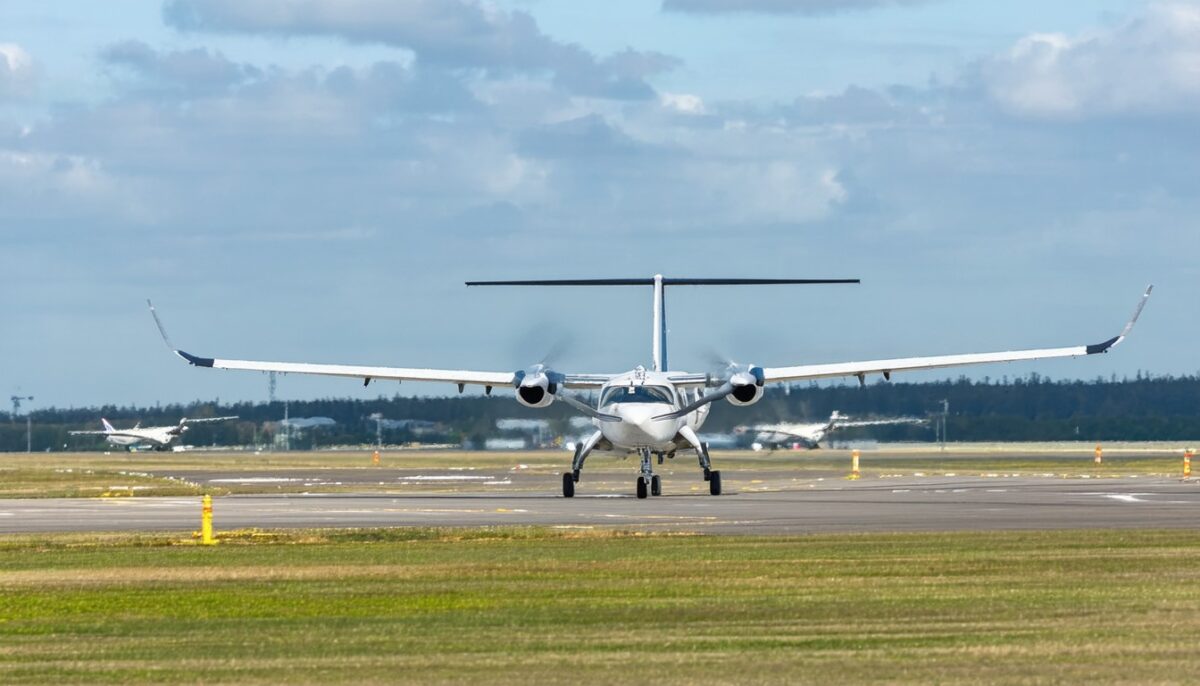

Aerodromes are the beating heart of global air transportation. From small grass airfields to sprawling international hubs, aerodromes encompass a broad spectrum of aviation facilities, each playing a critical role in the movement of people and goods. Despite being a foundational concept in aviation, the term “aerodrome” is often overlooked in favor of the more commonly used “airport.” However, understanding the distinctions and nuances between various aerodrome types is vital for professionals across the aviation sector, as well as for policymakers shaping the infrastructure that supports global travel and commerce.
In the fast-evolving world of air transport—where annual passenger movements have rebounded to billions post-pandemic—aerodrome operations underpin safety, efficiency, and economic vitality. This guide dissects what makes an aerodrome tick, the variety of facilities involved, and the operational complexities that ensure aviation’s remarkable reliability.
Defining the Aerodrome: More Than Just an Airport
An aerodrome, as defined by the International Civil Aviation Organization (ICAO), is any area of land or water intended for the arrival, departure, and surface movement of aircraft. This umbrella term includes everything from modest heliports and seaplane bases to the runways and taxiways of major airports. Not all aerodromes are airports, but all airports are aerodromes—a crucial distinction for both regulatory and operational clarity.
Key Components of an Aerodrome
While size and sophistication may vary, most aerodromes incorporate these core elements:
- Runways and Taxiways: Surfaces for aircraft takeoff, landing, and ground movement.
- Aprons: Parking and servicing areas for aircraft.
- Air Traffic Control (ATC) facilities: Essential for safe flight operations at busier locations.
- Lighting and Navigation Aids: Supporting safe approaches and departures, especially at night or in adverse weather.
- Support Buildings: Hangars, terminals, and fuel depots.
From private grass strips to commercial aviation gateways, the design and layout reflect the volume and type of traffic served.
Types of Aerodromes: Serving Distinct Aviation Needs
The diversity of aerodrome types mirrors the broad spectrum of aviation activities worldwide.
1. Certified (or Licensed) Aerodromes
These are subject to formal regulatory oversight and must comply with strict safety, environmental, and operational standards. Certified aerodromes are usually commercial airports, capable of handling regular passenger and cargo flights. Think London Heathrow, Singapore Changi, or regional commercial airports equipped to host scheduled airlines.
2. Unlicensed or Private Aerodromes
Often serving general aviation, flying clubs, or agricultural aircraft, unlicensed aerodromes have fewer regulatory burdens. While safety remains paramount, operations are typically tailored to lower traffic levels and less complex airspace environments.
3. Military and Specialized Aerodromes
Military bases and specialized facilities (such as those focusing on firefighting or medical evacuation operations) have unique layouts and operational requirements. These aerodromes often include high-security perimeters, specialized runways, and rapid-response infrastructure.
“The diversity of aerodromes—from small rural strips to the world’s busiest international airports—illustrates the flexibility and resilience of global aviation infrastructure,” notes Dr. Maria Jensen, aviation infrastructure consultant.
Aerodrome Operations: Safety, Efficiency, and Regulatory Compliance
Operating an aerodrome is a multifaceted challenge, balancing rigorous safety standards with the need for efficient aircraft movements and passenger experience.
Safety Management and CNS/ATM Systems
Safety is paramount. Most commercial aerodromes implement sophisticated Safety Management Systems (SMS) covering everything from runway inspections to emergency response procedures. The evolution of Communication, Navigation, and Surveillance/Air Traffic Management (CNS/ATM) systems—involving both ground-based and satellite technologies—has vastly improved real-time coordination and airspace utilization.
Ground Operations and Aircraft Handling
Beyond the runway, aerodrome staff coordinate refueling, baggage handling, catering, and turnaround maintenance. In punctuality-driven commercial aviation, ground time can dramatically affect airline profitability and passenger satisfaction.
Minimizing Ground Delays
Industry leaders regularly benchmark ground operations. For example, rapid aircraft turnaround strategies at European low-cost carriers have become case studies in operational efficiency. At large US hubs, collaborative decision-making tools enable sharing real-time data among airlines, ground handlers, and air traffic control, further reducing tarmac delays.
Environmental and Community Considerations
Modern aerodromes face increasing scrutiny regarding noise, emissions, and land-use impacts. Investments in noise abatement procedures, energy-efficient lighting, and stormwater management demonstrate how operations are evolving to balance community interests and environmental stewardship.
The Economic and Social Impact of Aerodromes
Aerodromes are more than infrastructure—they are engines for economic growth and catalysts for social connection.
Facilitating Trade, Tourism, and Connectivity
Major aerodromes generate employment for thousands, stimulate investment, and act as nodes linking regions and nations. For smaller communities, even a modest aerodrome can be a lifeline, connecting remote populations to vital health, education, and emergency services.
- Economic Impact Example: According to industry estimates, aviation supports over 65 million jobs worldwide, with a significant share attributable to activities centered around aerodromes.
- Tourism & Trade Links: Direct air service is often the deciding factor in attracting tourist flows and logistics investment—underscoring the critical economic leverage of well-managed aerodromes.
Resilience During Global Shocks
The COVID-19 pandemic highlighted both the vulnerability and adaptability of aerodrome operations. While passenger volumes dropped dramatically at major international airports, some smaller regional aerodromes saw upticks in cargo flights or emergency airlift operations—demonstrating the sector’s flexibility and essential service provision during crises.
Technological Trends Shaping Future Aerodromes
The aviation industry is on the cusp of sweeping technological change. Aerodrome operators are investing in digital transformation, automation, and sustainable design to future-proof their facilities.
Digital Infrastructure and Automation
Automated check-in kiosks, biometric boarding, and real-time passenger flow analytics are becoming standard at leading airports. On the airside, innovations like remote-control towers and drone detection systems are being tested or implemented, especially at secondary aerodromes and in challenging environments.
Sustainability and Green Initiatives
Sustainability is a driving force behind aerodrome modernization. Examples include the use of solar farms to power airport terminals, biofuel-compatible refueling infrastructure, and ambitious programs to achieve carbon neutrality.
“No single innovation can future-proof an aerodrome, but the strategic adoption of digital technologies and sustainability practices is non-negotiable for long-term relevance,” says Elena Petrov, Head of Innovation at Airport Council International Europe.
Conclusion: Aerodromes as Pillars of Global Mobility
Aerodromes are foundational to the safety, connectivity, and advancement of global aviation. As aviation evolves—shaped by technology, regulation, and changing travel patterns—aerodrome operators face both complexity and opportunity. Their continued adaptability ensures that air transport remains resilient in the face of tomorrow’s challenges, whether those be environmental, economic, or technological.
Well-managed aerodromes—whether small rural airfields or busy international airports—will continue to enable the economic, social, and personal connections that define modern life.
FAQs
What is the difference between an aerodrome and an airport?
An aerodrome is any area used for aircraft operations, including takeoff, landing, and movement; an airport is a specific type of aerodrome certified for commercial passenger and cargo services.
How are aerodromes maintained for safety?
Regular inspections, strict adherence to official procedures, and updated technology help ensure safe operations at aerodromes, with certified facilities meeting particularly rigorous standards.
Why are smaller aerodromes important?
Smaller or regional aerodromes connect remote areas to national and global networks, aiding emergency services, medical flights, and local economic development.
What environmental issues do aerodromes face?
Common challenges include noise pollution, emissions, and land use pressure; many facilities are addressing these through noise abatement, green technology, and improved community relations.
How is technology changing aerodrome operations?
Automation, digital passenger systems, and advanced navigation aids are streamlining both safety and efficiency—while sustainability efforts are pushing aerodromes toward greener operations.
Are there international standards for aerodrome operation?
Yes, organizations like the ICAO provide global standards and recommended practices, helping to harmonize safety and efficiency across diverse facilities and regulatory environments.