
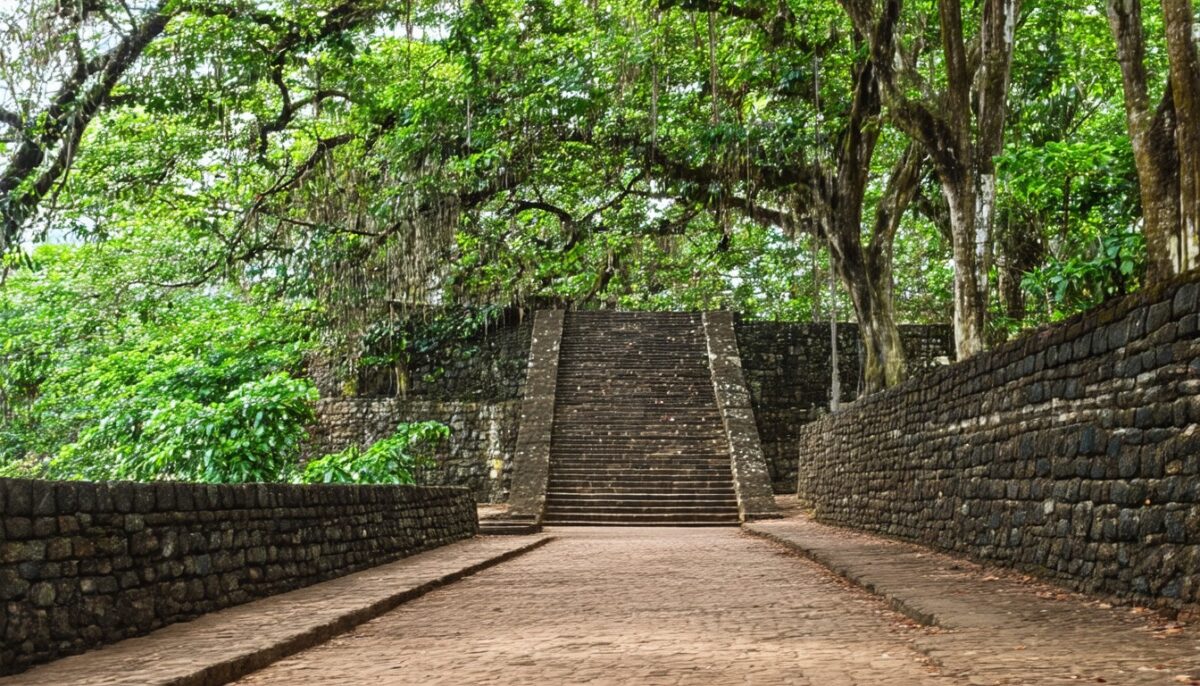

El Salvador, the smallest country in Central America, is often overlooked in favor of its larger neighbors. Yet, for intrepid travelers, it offers a tantalizing mix of natural beauty, living history, vibrant cities, and genuine hospitality. In recent years, El Salvador has made headlines—both for rapid developments in tourism infrastructure and for bold economic experiments like adopting Bitcoin as legal tender. Beneath the headlines, the country’s landscape offers pristine Pacific beaches, misty volcanoes, archaeological treasures, and a rich tapestry of culture that rewards curiosity.
Top Attractions in El Salvador: From Beaches to Volcanoes
Surf’s Up: El Salvador’s Pacific Coast
Few destinations in Central America have cultivated such a passionate surf scene as El Salvador. Spots like El Tunco and El Zonte have become legendary among global surfers, known for their consistent swells and lively beach communities. What distinguishes these beaches isn’t just the wave quality but also their accessibility; many surf breaks are just an hour’s drive from the capital, San Salvador.
Beyond surfing, travelers can enjoy laid-back beach bars, fresh seafood, and early-morning yoga sessions overlooking the ocean. In recent years, the government and private sector have invested significantly in safety and facilities, making these areas more welcoming to international visitors.
“El Salvador’s coastline offers year-round waves that are ideal for both beginners and advanced surfers, making it a rising star on the world surf tourism map,” notes Maria Rivas, a regional travel consultant.
Volcano Adventure: Hiking the Santa Ana Volcano
The Santa Ana Volcano, or Ilamatepec, stands as El Salvador’s tallest and one of its most thrilling natural landmarks. The hike to the jagged crater rim is both challenging and rewarding, typically completed in 4–5 hours with panoramic views stretching to Lake Coatepeque and the Pacific beyond. As the ascent rises above cloud forests, hikers are treated to incredible diversity in flora and fauna. Staring into the turquoise-acid crater lake, with steam swirling on the breeze, is an unforgettable experience.
Historically, the volcano’s eruptions have shaped not just the geography but also local culture and legends. Guided tours often blend natural history with local stories, adding texture to what is often considered the nation’s quintessential adventure.
Ruta de las Flores: Colonial Towns and Coffee Culture
Winding through the western highlands, the Ruta de las Flores is a route that strings together colorful colonial towns, coffee plantations, and lively weekend markets. Places like Juayúa and Ataco charm with their murals, artisan shops, and the intoxicating scent of fresh-roasted local coffee. Culinary festivals and art fairs are common, especially during the temperate dry season.
Travelers can visit “fincas” (farms), tracing single-origin beans from plant to cup—a boon for coffee aficionados. The region is also bursting with waterfalls and serene mountain vistas, making it well suited for hiking and ecotourism.
Preserving History: Joya de Cerén and Mayan Heritage
Central America’s Mayan roots are evident in El Salvador, with the UNESCO-listed Joya de Cerén standing out as a “Pompeii of the Americas.” This pre-Columbian farming village was buried by volcanic ash over 1,400 years ago, preserving daily life in astonishing detail. Exploring the excavations offers direct insight into ancient agriculture and household organization, something rare in other regional sites.
Nearby, the ceremonial complex of Tazumal in Chalchuapa showcases impressive stone pyramids, linking modern Salvadorean identity to its Indigenous past. Archaeological tourism is growing steadily as travelers seek meaningful connections to the region’s history.
Salvadorean Culture: Traditions, Music, and Everyday Life
Vibrant Traditions and Local Festivities
El Salvador’s calendar is dotted with festivals—many rooted in religious observance and local legend. The August fiestas patronales in San Salvador bring together parades, music, firework displays, and the playful “Bajada” ceremony. These events reflect the nation’s deep sense of community and faith, frequently blending Indigenous, Spanish, and modern influences.
Musical Diversity
From the haunting sounds of marimba in rural villages to the hip-hop and reggaeton beats in city clubs, music drifts through every corner of Salvadorean life. Traditional folk forms coexist with contemporary styles, and live music can be discovered everywhere from roadside “comedores” to cosmopolitan plazas.
The Heart of Salvadorean Cuisine
Pupusas—thick corn tortillas stuffed with cheese, beans, or pork—are the national dish and a point of pride. Street food stalls and pupuserías abound, inviting travelers to sample authentic local flavors. Seafood is particularly fresh along the coast, and markets offer an abundance of tropical fruits—from zapote to jocote.
For many visitors, sharing a simple meal with locals becomes a memorable highlight, as warmth and hospitality are deeply ingrained in Salvadorean culture.
Essential Travel Tips: Safety, Best Times, and Practical Insights
Improving Safety and Being Streetwise
While challenges remain, El Salvador has made concerted efforts to boost safety, especially in tourist corridors. Enhanced police presence, revamped infrastructure, and community-driven initiatives have helped improve the country’s image as a destination.
Travelers are still encouraged to use common-sense precautions: avoid isolated areas at night, opt for registered taxis or rideshares, and keep valuables secure. Many visitors find guided tours helpful for both convenience and context. According to recent feedback from travel forums, most tourists describe positive experiences when taking basic safety measures.
When to Go: Seasons and Weather
The optimal time to visit El Salvador is during the dry season, from November to April, when sunny days make for ideal hiking, beachgoing, and exploring. The green (rainy) season offers lush landscapes and fewer crowds, but some rural roads may become muddy or impassable after heavy rains. Major festivals and events cluster around Easter and late summer, shaping travel itineraries for culture seekers.
Getting Around: Transportation Essentials
El Salvador’s compact size is a major asset—most attractions are just a few hours apart by road, making it feasible to pack a variety of experiences into a short visit. Public buses are affordable but can be crowded; car rentals and private shuttles are widely available for greater flexibility. English is increasingly spoken in tourist areas, although learning a few Spanish phrases is appreciated and helpful for navigating daily interactions.
Sustainable and Responsible Tourism in El Salvador
In recent years, El Salvador’s commitment to sustainable tourism has deepened. Numerous lodges, tour operators, and community-run initiatives now prioritize conservation, responsible travel, and authentic local partnerships. From sea turtle conservation projects on secluded beaches to fair-trade coffee cooperatives in the highlands, the country is aligning tourism growth with environmental and social priorities.
A case in point: The Bajo Lempa region, once affected by civil conflict and environmental challenges, now hosts community-based ecotourism that funds wetlands restoration and supports local livelihoods.
Conclusion: Why El Salvador Belongs on Your Travel Radar
El Salvador rewards adventurous travelers with diversity, depth, and a distinct sense of place. Whether surfing Pacific waves, climbing volcanoes, savoring street food, or wandering through ancient ruins, visitors find a destination that feels both undiscovered and welcoming. Improvements in safety, investment in tourism, and an emphasis on sustainability position El Salvador as a compelling choice in Central America for those seeking substance as well as scenery.
FAQs
Is El Salvador safe for tourists?
El Salvador’s main tourist areas have become much safer in recent years, thanks to increased security and local initiatives. Travelers should still use standard precautions, such as avoiding poorly lit streets at night and keeping valuables secure.
What is the best time of year to visit El Salvador?
The dry season, from November to April, offers the best weather and accessibility for most activities, including hiking and beach trips. Outside this window, the landscape is lush but some rural travel may be affected by rains.
Do I need a visa to visit El Salvador?
Many visitors from North America and Europe can enter El Salvador visa-free for up to 90 days. It’s always best to check the latest entry requirements before traveling.
What currency is used in El Salvador?
El Salvador uses the US dollar as its official currency, and was the first country to make Bitcoin legal tender in 2021. Most transactions are conducted in cash, with digital payments growing in popularity in some areas.
What are the top foods to try in El Salvador?
Pupusas are the most iconic food, with various fillings. Travelers should also try fresh seafood, tamales, and tropical fruits from local markets.
How do I get around the country?
Compact distances make El Salvador easy to explore by bus, shuttle, or car rental. Public transport is budget-friendly, though guided tours or private vehicles offer greater comfort and flexibility.