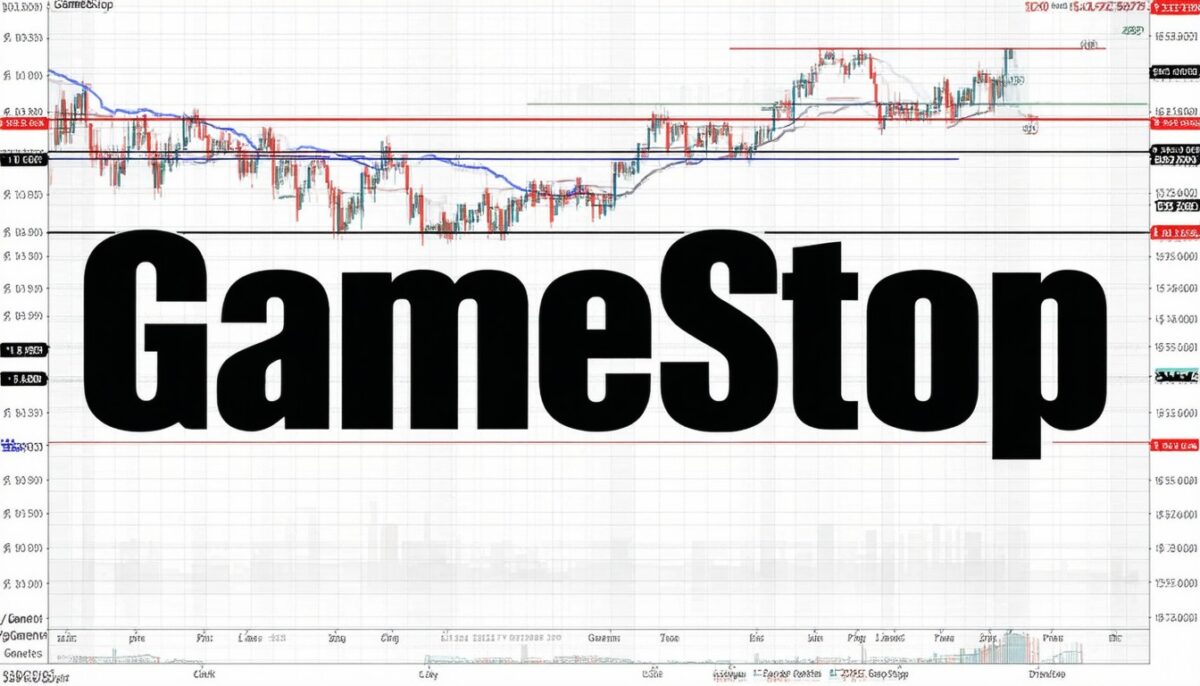

GameStop stock (ticker: GME) has become a symbol of the volatile intersection between traditional investing and modern internet-driven speculation. Once a struggling brick-and-mortar video game retailer, GameStop captured global headlines in early 2021 when a surge of retail investors, organized largely on Reddit’s r/WallStreetBets forum, drove its price to historic highs. This short squeeze created massive profits for some, devastating losses for others, and sparked widespread debate about the state of markets and the roles of retail versus institutional investors.
Beyond its headline-grabbing volatility, GameStop continues to evolve—both as a business and as a traded security subject to regular speculation, regulatory attention, and new investment trends. Understanding GME’s journey provides critical context for anyone analyzing price trends, stock performance, or the psychology influencing its ongoing trading dynamics.
Price Trends: From Value Stock to Meme Phenomenon
GameStop’s Historical Valuation
For most of its history, GameStop was regarded as a modest, if unremarkable, value play. The company profited in its heyday by selling new and used video games, but as digital downloads began to erode physical sales, GameStop’s business model, and by extension its stock price, suffered. By 2019, GME had lost more than 90% of its value from previous highs, trading well under $10—a level consistent with declining fundamentals and industry headwinds.
The 2021 Short Squeeze and Volatility Spike
Everything changed in January 2021. Driven by a barrage of small investors, coordinated efforts, and the viral spread of memes, GameStop’s stock price rocketed from under $20 in early January to an intraday high near $483 within weeks. Hedge funds that had heavily shorted the stock faced billions in collective losses, as covering those positions further fueled the surge.
This episode, now etched into market folklore, was less about fundamentals and more about psychology, collective action, and market mechanics. During these weeks, trading volume exploded, volatility indexes soared, and mainstream discourse shifted to topics like “market democratization” and “retail revolution.”
“GameStop demonstrates how sentiment, social media, and trading platforms can combine to overwhelm traditional market analysis—blurring the line between investing and cultural movement.”
— Daniel Ives, Analyst, Wedbush Securities
Post-Squeeze Patterns and the Meme Stock Aftermath
Since the epic short squeeze, GME has experienced recurrent waves of price volatility. Although it retraced much of its rally, the stock remains well above pre-2021 levels, a testament to ongoing speculation, loyal investor communities, and periodic news events like executive shakeups or renewed mentions on social media. GameStop’s trading volumes also continue to be shaped less by fundamentals and more by momentum and sentiment among retail investors.
Analyzing GameStop Stock: Fundamentals versus Narrative
Corporate Performance and Strategic Moves
In an ongoing effort to pivot, GameStop has explored new business models—including entering e-commerce, partnering with digital brands, and experimenting with blockchain and NFT initiatives. The company has refreshed its leadership team several times and drawn high-profile attention (notably, from activist investor Ryan Cohen). Yet, financial results remain mixed; while GameStop has limited losses through cost controls, growth in core business lines has been tepid, and consistent profitability remains elusive.
Metrics such as revenue, gross margins, and cash burn illustrate a tale of reinvention marked by uncertainty. Many analysts continue to assign valuations to GME based on its core business, but the company’s actual trading price often detaches from these calculations—underscoring the unique narrative at play.
The Power of the Meme Stock Narrative
Unlike most mid-cap retail stocks, GameStop’s valuation is strongly influenced by online communities. Mentions on platforms like Reddit, Twitter, and Discord can spark abrupt price spikes, regardless of corporate earnings or sector news. This presents both opportunity and risk: the potential for rapid gains exists, but so does the danger of sharp reversals often untethered from the company’s fundamentals.
GameStop’s meme status has even inspired institutional products, including options strategies and exchange-traded funds (ETFs) designed to enable or hedge against volatility.
Technical Patterns, Short Interest, and Trading Mechanics
Analyzing GME’s technical indicators reveals patterns familiar to traders but confounding to traditional investors. Spikes in short interest remain a constant feature, reinforcing the possibility of more “mini-squeezes”—though none so dramatic as in 2021. Price movement tends to cluster around key psychological levels retraced from major rallies, further amplified by derivatives activity.
Key Factors Driving GameStop’s Stock Movements:
- Short Interest: Remains elevated relative to peers, increasing squeeze potential.
- Options Activity: Large volumes of call buying can drive further volatility.
- Social Media Buzz: Spikes in online discussions often predict short-term price trends.
- Earnings Releases: While financials matter, investor focus often shifts to announcements regarding new business lines or management changes.
Investment Insights: Risks, Opportunities, and Strategic Perspectives
Risks Associated with GameStop Stock
For most investors, GameStop presents an attractive yet high-risk proposition. Its price movements can be swift and unpredictable, influenced by forces that often bear little relation to financial performance. Regulatory risk remains, too, as market authorities have scrutinized trading platforms, “payment for order flow” practices, and concerted market manipulation accusations.
Long-term holders face business risks inherent to traditional retailers struggling with digital disruption, as well as the unpredictability of the next meme-driven event.
Lessons for Retail and Institutional Investors
The GameStop episode has transformed contemporary market education. It forced institutional investors to examine the power of retail-driven momentum and forced retail investors to grapple with the risks of crowd behavior. Despite the attention and the stories of overnight profits, studies suggest the majority of late entrants into the GME rally suffered substantial losses—demonstrating the importance of having a risk management strategy in volatile environments.
Financial advisors often recommend a disciplined approach, such as only allocating small portions of a diversified portfolio to speculative “meme” stocks and maintaining awareness of the underlying company fundamentals—even when market narratives seem disconnected from reality.
Concluding Perspective: GameStop as a Market Landmark
GameStop stock remains both a lesson and an ongoing experiment. Its journey from obscure retailer to a headline-grabbing meme stock illustrates how social networks, sentiment, and unconventional participation are reshaping modern finance. While its underlying business continues to adapt, its greatest significance may be cultural—encapsulating a new era of investor activism, information democratization, and volatility.
For current or prospective GME investors, exercising caution, diversifying exposure, and staying informed are prudent steps. The future of GameStop may hinge as much on successful business transformation as on the unpredictable ebbs and flows of market sentiment.
FAQs
What caused the initial surge in GameStop stock price in 2021?
A coordinated buying effort by retail investors on social media platforms, particularly Reddit, drove a short squeeze that forced institutional investors to cover their positions, further amplifying the stock’s gains.
Is GameStop stock still considered a “meme stock”?
Yes, GameStop continues to be classified as a meme stock because its price movements are significantly influenced by online communities and not strictly by company fundamentals.
What are the main risks of investing in GameStop stock?
The stock is highly volatile and subject to rapid price swings, often disconnected from its financial health. This makes it risky for long-term investors, particularly those not prepared for large, unexpected losses.
How does short interest affect GameStop’s stock price?
High short interest increases the chance of a short squeeze, where price spikes occur as short sellers rush to cover their positions. This phenomenon can cause sudden and dramatic upward moves in the stock.
Has GameStop’s business improved since the short squeeze?
While GameStop has made efforts to pivot toward new business models, consistent profitability and significant growth have remained elusive. The company’s transformation remains a work in progress.
Should new investors consider GameStop stock for their portfolio?
GameStop is generally better suited for risk-tolerant investors who understand the potential for both large gains and significant losses. Diversification and careful research are crucial before investing in such volatile equities.