
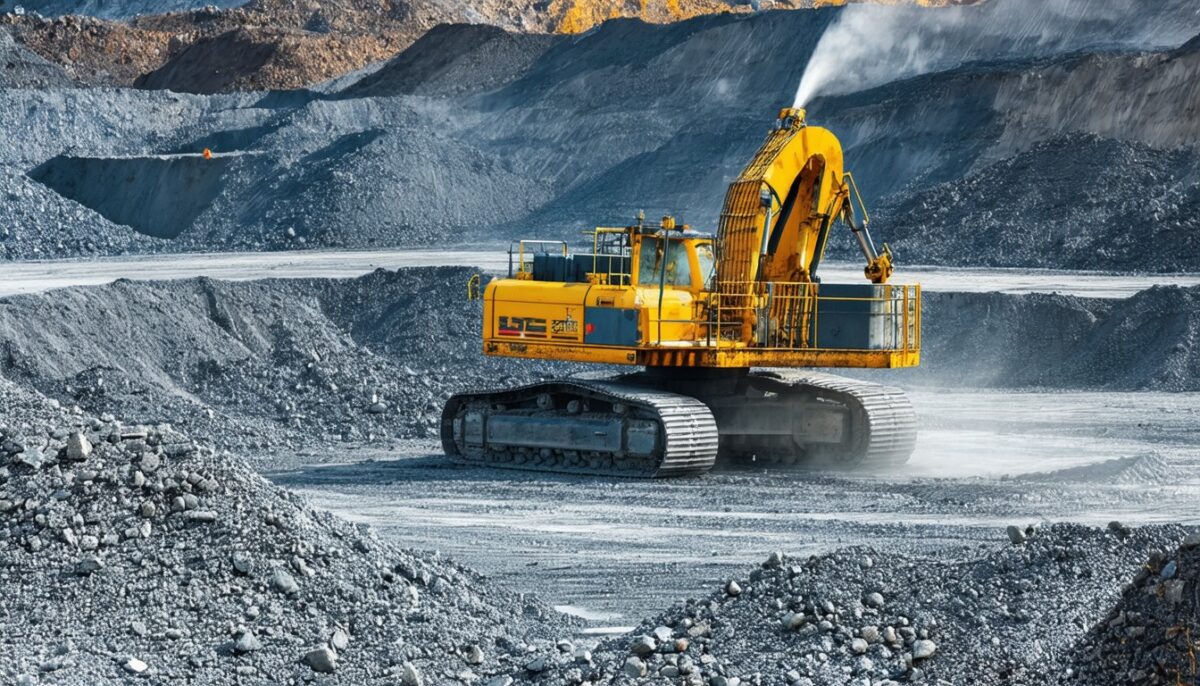

Mining remains one of humanity’s most foundational industries, underpinning economies, infrastructure, and technological advancements worldwide. From the copper wiring in smartphones to the steel girders supporting skyscrapers, minerals extracted from the earth drive progress and development. Yet, as demand intensifies and attention to sustainability rises, mining faces a new era of scrutiny and innovation. This article explores core mining techniques, highlights the sector’s economic and societal benefits, and surveys the evolving debate over its environmental impact.
Key Mining Techniques: From Ancient to Advanced
Surface Mining: Efficiency and Scale
Surface mining techniques dominate global production, accounting for a significant share of mineral extraction by volume. These methods remove overlying soil and rock (“overburden”) to access shallow ore bodies or coal seams.
- Open-pit mining is employed at large, low-grade deposits—think of the massive Bingham Canyon mine in Utah. When ore is spotted close to the surface, this technique allows “terracing” down toward valuable veins.
- Strip mining is common in coal regions, especially across North America. Machinery strips an elongated seam, refilling mined strips with removed earth in a process known as “backfilling.”
- Quarrying targets building materials like limestone and granite, focusing on the extraction of blocks for the construction industry.
Surface mining’s cost-effectiveness and high throughput support large-scale projects, but the disruption to landscapes can be profound.
Underground Mining: Depth and Precision
Underground mining accesses valuable resources situated deep beneath the earth’s surface, where surface methods are unfeasible or uneconomical.
- Room-and-pillar mining leaves behind columns of material to support the cavern roof, often used in coal and potash mining.
- Cut-and-fill and stoping involve extracting ore in slices and filling the voids with waste rock or tailings, prominent in precious metal and base metal mining.
- Block caving, an innovative approach, allows gravity to move fractured ore downward, reducing labor costs and increasing efficiency for low-grade, deep deposits.
Safety, ventilation, and geological stability are paramount in underground operations. Innovations such as autonomous vehicles and real-time sensor networks increasingly define this field.
Placer and Solution Mining: Specialized Approaches
Not all valuable minerals are buried deep in rock. Placer mining recovers gold, gemstones, or tin from alluvial deposits using water and gravity separation. Meanwhile, solution mining (or in-situ leaching) injects solvents into ore bodies to dissolve minerals, later pumping them to the surface for extraction—common in uranium and potash mining.
Economic and Societal Benefits of Mining
Critical Role in Industrial Supply Chains
Mining’s output forms the bedrock of industrial supply chains worldwide. Copper is essential to renewable energy systems. Rare earth elements are critical to electric vehicles and advanced electronics. Iron ore enables steel production for infrastructure growth.
Many resource-dependent nations, such as Australia and Chile, have built robust economies on the back of mining exports. Employment, tax revenue, and foreign investment generated through mining are vital for both developed and developing countries.
“Mining is not just about extracting minerals. It’s about extracting value for entire societies—enabling jobs, infrastructure, and economic diversification.”
— Dr. Alison Thompson, Sustainability Analyst
Technology and Innovation: Driving Safer, Smarter Mines
Modern mining increasingly harnesses automation, remote operation, and data analytics to boost productivity and decrease workplace hazards. For example, Rio Tinto’s “Mine of the Future” program introduced driverless haulage trucks, reducing human exposure to dangerous environments. Real-time data integration now allows operators to predict equipment failures and optimize ore processing.
Community Development and Challenges
Mining projects can act as economic catalysts for rural regions, bringing electricity, education, and healthcare infrastructure. However, tensions frequently arise over land rights, environmental disruption, and expectations for community benefits. The future of mining will significantly depend on how companies engage with and support host communities.
Environmental Impacts and the Push for Sustainable Mining
Land Disturbance and Biodiversity Loss
Surface mining, in particular, transforms local landscapes. Open pits and spoil heaps scar the land, while water management challenges can alter entire ecosystems. Reclamation—restoring disturbed land post-mining—has made significant progress, with success stories in former coalfields and quarry sites that now serve as parks or wildlife reserves.
Water, Air, and Chemical Management
Beyond physical changes, mining poses substantial risks to air and water quality. Acid mine drainage, a result of exposed sulfide minerals interacting with water and air, can pollute streams and groundwater for decades if unmanaged. Dust from blasting and hauling affects air quality, while the use of chemicals like cyanide in gold extraction raises toxic exposure concerns.
Climate Change and Mining’s Carbon Footprint
The sector is under increasing pressure to reduce its greenhouse gas emissions. Energy-intensive processes and heavy reliance on fossil fuels make mining a key focus for climate action. Top firms now invest in renewable power sources, explore electrification of fleets, and use carbon capture technologies to mitigate their environmental footprint.
Toward More Responsible Mining
In response to societal and regulatory pressures, industry leaders have embraced initiatives like the International Council on Mining and Metals (ICMM) Sustainable Development Framework. Certifications such as “responsible mining” labels and greater transparency through Environmental, Social, and Governance (ESG) reporting are becoming accepted norms.
“The move to cleaner mining is not optional—it’s a prerequisite for the industry’s social license to operate in the next decade.”
— Ana Lucía Ríos, Sustainability Consultant
Conclusion: The Balancing Act Ahead
Mining is inseparably tied to economic progress and technological advancement, yet it carries a profound responsibility for environmental stewardship. As demand for metals and minerals grows—fueled by the energy transition and digitalization—the mining industry stands at a pivotal crossroad. Innovation, transparency, and community engagement will be key to reconciling economic benefits with ecological integrity.
FAQs
What are the main types of mining?
The major mining types include surface mining (like open-pit and strip mining), underground mining (such as room-and-pillar, stoping, and block caving), and specialized methods like placer and solution mining. Each method targets specific deposit types and depths.
How does mining affect the environment?
Mining can cause land degradation, water pollution through acid drainage, air pollution from dust and emissions, and loss of biodiversity. Sustainable practices focus on land reclamation, pollution control, and reducing greenhouse gas emissions.
What are the economic benefits of mining?
Mining provides jobs, supports local economies, generates tax revenue, and supplies raw materials for industry and technology. Many countries, especially resource-rich ones, rely heavily on mining exports for national income.
What trends are shaping the future of mining?
Key trends include automation and robotics, digital monitoring, a focus on ESG and responsible sourcing, and increased reliance on renewable energy. Companies are also investing more in community engagement and transparency.
Are there alternatives to mining for key minerals?
Recycling metals and the development of new materials (such as synthetic substitutes) are reducing some dependency on mining, but for critical raw materials like lithium and rare earths, mining will remain essential for the foreseeable future.
How do mining companies work toward sustainability?
Firms adopt best practices in land restoration, water and chemical management, and community relations, while also integrating renewable energy and emissions reduction strategies to improve their overall sustainability profile.