
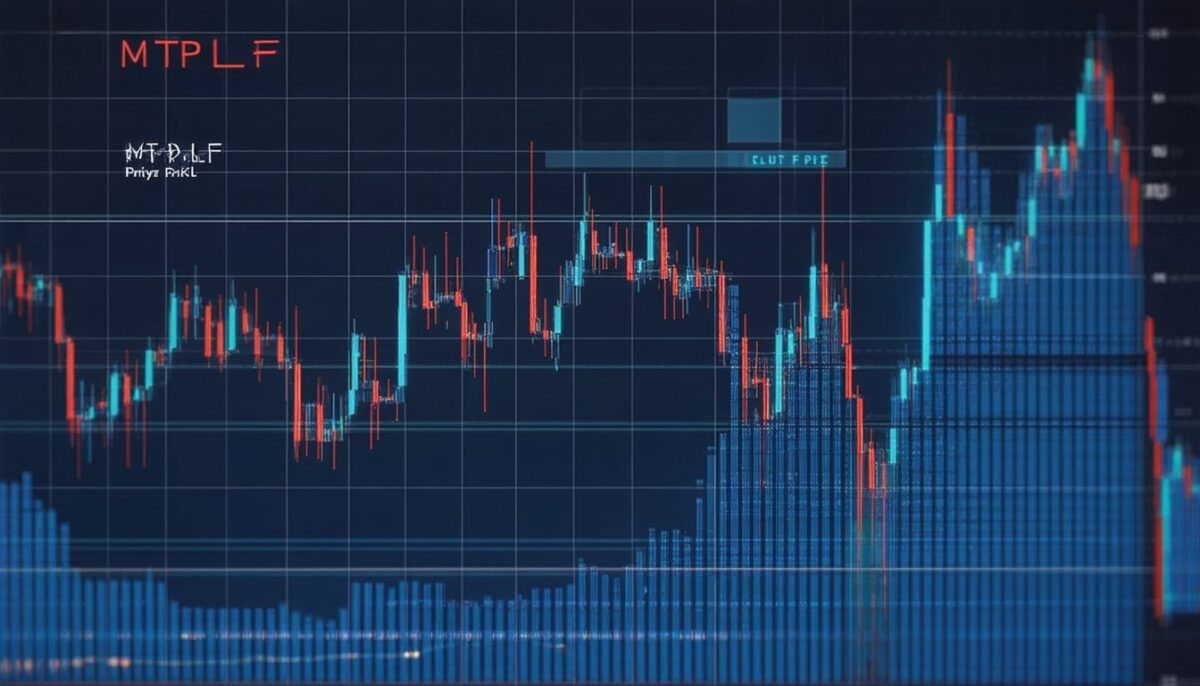

Tracking the MTPLF price is essential for investors and analysts seeking exposure to the evolving landscape of the insurance sector. MTPLF, the stock symbol for Mapletree Logistics Trust, is frequently scrutinized due to its dynamic valuation, which often mirrors broader market sentiment and sector-specific developments. Whether you are a seasoned market participant or a curious observer, comprehending the underlying trends and events that drive the MTPLF price can provide a distinct advantage.
Recent years have seen considerable volatility in global stock markets. External shocks, policy decisions, and company-specific performance have all played a role in shaping the price trajectory of MTPLF. In this context, live charting and timely market analysis become invaluable tools not just for short-term traders, but for long-term investors as well.
Analyzing the Current MTPLF Price: Trends and Market Performance
As of the latest trading sessions, MTPLF has demonstrated notable price fluctuations, consistent with patterns observed across similar logistics-focused REITs and insurance-linked equities. Macroeconomic pressures, shifting consumer trends, and real estate market performance remain pivotal.
Short-Term Movements: What Drives Daily Volatility?
The MTPLF price frequently experiences intraday volatility. Several key variables commonly influence these short-term movements:
- Earnings Announcements: Quarterly or annual reports can trigger immediate price responses as investors digest profit margins, asset valuations, and forward-looking statements.
- Interest Rate News: As a real estate trust, MTPLF’s borrowing costs are sensitive to central bank policies and global yield trends.
- Broader Market Sentiment: Unexpected global events and rapid shifts in investor risk appetite, as seen during the COVID-19 pandemic, can lead to swift value changes.
Medium- to Long-Term Drivers
Several longer-term factors exert ongoing influence on the MTPLF price:
- Portfolio Expansion: Acquisitions or divestitures of logistics properties alter potential cash flows and risk profiles.
- Geopolitical Factors: Regional trade dynamics and regulatory reforms can impact the logistics sector more broadly.
- Sustainability Initiatives: Responding to ESG demands increasingly factors into investor decision-making, potentially affecting share performance.
Industry experts often highlight the necessity of context when interpreting data:
“Understanding the MTPLF price requires more than a glance at today’s chart. You need visibility on asset quality, sector momentum, and external economic headwinds to make informed decisions.”
— Charlotte Ng, Senior Financial Analyst
Interpreting the MTPLF Stock Chart: Tools and Technical Signals
For investors, real-time price charts offer invaluable insight into the ebb and flow of MTPLF’s value. However, effective analysis goes beyond just following the price line.
Essential Charting Techniques
- Candlestick Patterns: Popular among technical analysts, these patterns can signal reversals or continuation trends based on historical market psychology.
- Support and Resistance Levels: Identifying these zones helps investors spot potential turning points and set prudent entry or exit levels.
- Moving Averages: Simple (SMA) and exponential moving averages (EMA) help filter noise, showing underlying trend directions across days, weeks, or longer periods.
Real-World Chart Analysis Example
In practice, investors witnessing a sudden decline in the MTPLF price may review the 50-day and 200-day moving averages for convergence or divergence. During 2023, for example, logistics REITs saw short-lived price corrections, only to rebound as long-term fundamentals remained sound and occupancy rates recovered in key markets. This pattern highlighted the importance of differentiating between temporary volatility and enduring value shifts.
Deeper Market Analysis: Sector Comparisons and Strategic Considerations
Peer Benchmarking: How Does MTPLF Compare?
MTPLF’s price cannot be fully understood in isolation. Comparing its performance with other logistics-focused REITs or insurance-linked shares across Asia and global markets can offer perspective. Often, a cluster of stocks move together in response to sectoral news or regulatory changes.
The rise of e-commerce, for instance, has boosted demand for last-mile logistics properties—a core focus of many REITs analogous to MTPLF. Observers saw similar pricing trends during periods of high online shopping activity, underscoring how thematic tailwinds can benefit entire subsectors.
Risk Management and Portfolio Impact
Institutional investors weigh MTPLF against broader market indices such as the Straits Times Index or regional real estate benchmarks. Liquidity, dividend yield stability, and lease expiry profiles frequently influence the stock’s perceived attractiveness.
Crucially, risk tolerance varies:
- Conservative Investors may appreciate the relatively predictable cash flows of logistics REITs but remain sensitive to sharp upswings in borrowing costs or macro risk.
- Growth-Oriented Investors may look for aggressive portfolio expansion, rapid DPU (Distribution Per Unit) growth, or entry into new markets as signals of future upside.
Conclusion: Navigating the MTPLF Price with Informed Strategy
Monitoring the live MTPLF price is about more than tracking numbers; it’s about contextualizing movements within wider market trends. Investors who combine technical charting with fundamental sector analysis are better positioned to interpret value changes, mitigate risks, and spot opportunities. Given the logistics sector’s pivotal economic role, MTPLF continues to attract close scrutiny. For those watching the market, a holistic approach—balancing volatility, fundamentals, and peer performance—remains key.
FAQs
What is influencing the MTPLF price right now?
The MTPLF price is shaped by both internal factors like earnings results and asset acquisitions, as well as external trends such as interest rate movements and logistics sector dynamics. Short-term volatility may reflect macroeconomic events or market sentiment shifts.
How often does the MTPLF stock price update?
MTPLF’s stock price typically updates in real time during exchange trading hours, allowing investors and analysts to track movements as news and market data unfold.
Why do analysts focus on moving averages in stock analysis?
Moving averages help smooth out price fluctuations, revealing broader trend directions and supporting decision-making for both short-term trading and longer-term investing strategies.
How does MTPLF compare to other logistics REITs?
MTPLF’s performance often mirrors regional trends in logistics real estate, but its unique property portfolio and strategic decisions can lead to differences in share price movement relative to peers.
What are the major risks to watch for with MTPLF?
Key risks include interest rate hikes, shifts in property demand, and unexpected regulatory changes. Monitoring sector health and macroeconomic indicators is essential for understanding price risks.