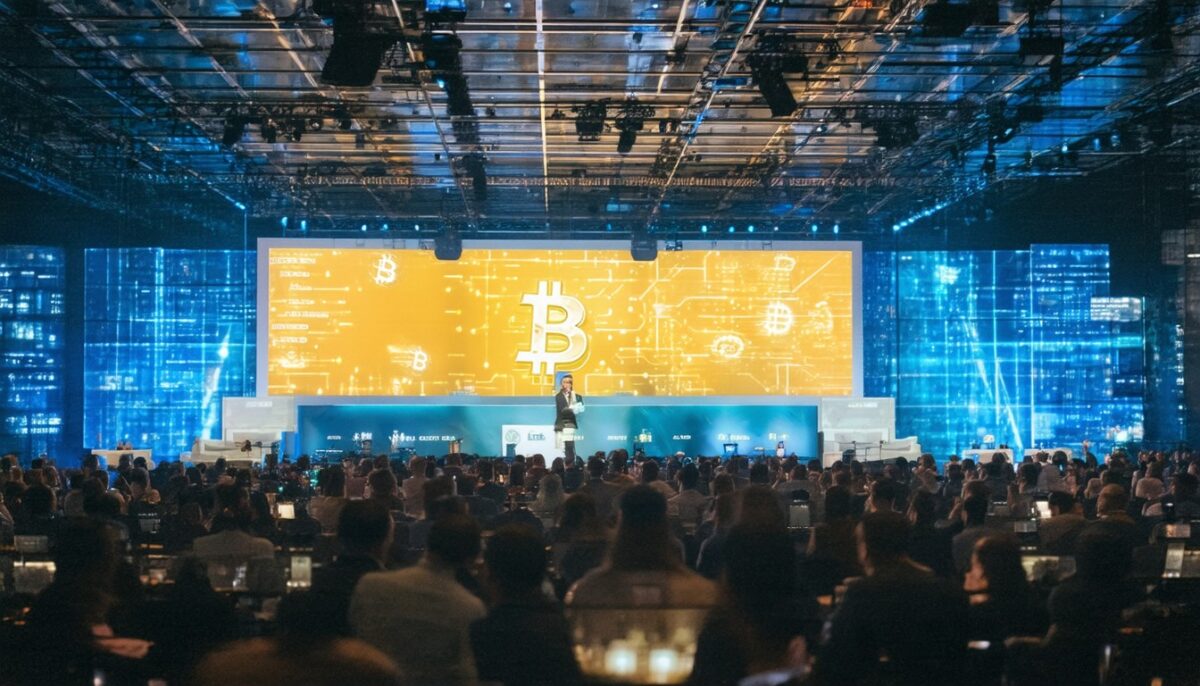

Crypto events have swiftly emerged as pivotal gatherings for the blockchain and digital asset industry. As the cryptocurrency market matures, conferences and summits serve not only as networking hotspots but also as stages for groundbreaking announcements, regulatory debates, and revealing use-case demonstrations. From flagship industry expos to more niche developer hackathons, these events shape the direction of cryptocurrency adoption worldwide.
With digital assets gaining both public intrigue and institutional investment, the landscape of crypto events has diversified. Today’s conferences are attended by an array of participants including founders, investors, regulators, developers, and even mainstream financial institutions. This surge reflects the sector’s evolution from a fringe movement to a core component of the global financial conversation.
Mapping the Crypto Conference Landscape
What Defines a Major Crypto Event?
Major crypto events typically embody a few key characteristics:
- Prominent speakers: Industry thought leaders, high-profile founders, and influential policymakers.
- Cutting-edge topics: Subjects range from decentralized finance (DeFi) to security protocols, Web3 social platforms, non-fungible tokens (NFTs), and government regulation.
- Diverse attendees: International crowd from startups, traditional finance, tech, law, and academia.
- Business impact: Product launches, investment deals, and partnership announcements often break on these stages.
Large-scale conferences such as Consensus, Blockchain Expo Global, and TOKEN2049 are frequently cited as bellwethers of industry trends. For example, Consensus—hosted by CoinDesk—annually draws thousands to discuss infrastructure upgrades, legal challenges, and future roadmaps.
Key Regional Hubs for Crypto Events
Crypto events span the globe but tend to cluster in certain cities that foster digital asset innovation:
- North America: New York (Consensus, ETHGlobal NY), Miami (Bitcoin 2024), San Francisco (Blockchain Week SF)
- Europe: London (CryptoAM Summit), Paris (Paris Blockchain Week), Lisbon (Web Summit, ETHLisbon)
- Asia: Singapore (TOKEN2049), Hong Kong (WOW Summit), Seoul (Korea Blockchain Week)
- Emerging Hubs: Dubai, Zug (Crypto Valley), and Buenos Aires increasingly compete for high-profile gatherings.
This concentration is no coincidence—these cities offer a blend of regulatory openness, vibrant tech ecosystems, and established financial sectors.
“Crypto events are where the future of finance is debated and decided, not just showcased,” notes crypto VC investor Laura Shin. “Attending is essential for true insiders and newcomers alike.”
Major Crypto Events to Watch
Consensus by CoinDesk
Often dubbed the “Davos of cryptocurrency,” Consensus, held annually in Austin, Texas, boasts a calendar-defining role in blockchain dialogue. With attendance typically in the thousands, it covers everything from layer-1 blockchains and DeFi to investigative sessions on crypto regulation.
Consensus is well known for sparking headlines. In recent years, policymakers like US senators and SEC commissioners have used the event to clarify positions on hot-button issues, while startups reveal protocols that later become industry standards.
TOKEN2049: Asia’s Premier Crypto Summit
Held in Singapore and Dubai, TOKEN2049 convenes a who’s-who of Asian and international crypto. Its programming often includes leadership from prominent VC funds, top blockchain protocol developers, and fast-growing DeFi projects. Because Asia remains a major driver of crypto volume and innovation, TOKEN2049 gives a crucial window into regional priorities.
Beyond talks and panels, TOKEN2049 is famous for its satellite events and afterparties—a reminder of how networking in crypto blends business with culture.
ETHGlobal & Ethereum Community Gatherings
ETHGlobal organizes a global series of hackathons and builder-focused conferences that draw thousands of developers each year. Unlike traditional conferences, these events emphasize practical collaboration, with teams shipping products in real time for prizes.
In parallel, Ethereum-focused events such as Devcon (often hosted in rotating cities) attract the protocol’s most active contributors, from smart contract engineers to research scientists, making them incubators for new protocols and governance progress.
Bitcoin Conference: The Original Maxi Gathering
Each year, the Bitcoin Conference—traditionally in Miami—attracts hardcore Bitcoin enthusiasts, miners, and macro forecasters. The event emphasizes Bitcoin-only content, mining innovation, and global markets, reinforcing the distinct cultural and technical ecosystem that has fueled Bitcoin’s resilience and growth.
Niche and Localized Conferences
Not all influence flows from global stages. A growing number of niche events—such as NFT.NYC for digital art and collectibles, or Oslo Freedom Forum for human rights applications of blockchain—spotlight emerging verticals and community-driven projects. Smaller, regional meetups further energize local ecosystems, often lowering the barrier to entry for developers and entrepreneurs.
Strategic Value: Why Crypto Events Matter
Accelerating Innovation
Crypto events function as accelerators for both hard technology and softer industry alliances. Face-to-face encounters speed up dealmaking and unlock informal knowledge transfer that rarely occurs online. Panels and workshops often generate new research directions or lead to collaborative projects.
Regulatory Insight and Risk Management
With the regulatory environment for digital assets constantly shifting, conferences are unique venues where legal experts and policymakers surface their thinking in a semi-public context. For regulated entities and startups alike, monitoring these discussions is crucial for proactive compliance and risk management.
Branding, Credibility, and Fundraising
For startups, debuting at a major crypto event can generate media buzz, investor interest, and partnership offers. Seasoned market participants, meanwhile, use these stages to reinforce authority and build trust with a skeptical public.
Community and Cultural Cohesion
Events foster a sense of belonging in what remains a highly globalized and often remote-working sector. Shared experiences at summits, hackathons, and meetups nurture community identity and promote the open-source ethos upon which much of crypto is built.
Trends Shaping the Future of Crypto Events
Hybrid and Virtual Formats
The pandemic forced a radical experiment in virtual conferencing, and many events now integrate online components. This hybrid approach increases accessibility but also challenges organizers to foster meaningful remote participation.
Sustainability and Inclusivity
In response to criticism of conference carbon footprints and exclusive pricing, a growing number of events prioritize eco-friendly logistics and scholarship programs. Initiatives to promote speaker diversity and accessibility for underrepresented groups are also gaining traction.
Evolving Focus: Beyond Speculation
Today’s agendas reflect crypto’s maturation. Programming increasingly balances talk of market speculation with sessions on real-world adoption, digital identity, and public goods funding. As the sector faces new challenges—scalability, security, and governance—events are retooling to meet these conversations head-on.
Conclusion: Navigating the Crypto Conference Circuit
Major crypto events are more than just spectator sports—they are the pulse points of a rapidly evolving industry. Whether you are an investor seeking early insights, a founder hunting for partners, or simply an observer tracking regulatory shifts, engaging with the right conferences offers unique ROI in knowledge, relationships, and reputational capital.
To maximize the benefit, participants should research agendas, target events relevant to their interests, and plan proactive networking. In an industry where information advantage is everything, there is no substitute for being present when the future gets announced.
FAQs
What are the top crypto events globally?
Some leading conferences include Consensus (Austin), TOKEN2049 (Singapore & Dubai), Bitcoin Conference (Miami), Paris Blockchain Week, and ETHGlobal hackathons. These gather top talent, investors, and decision-makers worldwide.
Who should attend a cryptocurrency conference?
Crypto events attract a broad mix: founders, developers, investors, regulators, journalists, and passionate community members. Anyone interested in digital assets, blockchain technology, or the future of finance will benefit from participation.
Are crypto events valuable for beginners?
Yes, many events have introductory tracks and networking opportunities suited for newcomers. Attendees gain industry context, learn best practices, and make connections to accelerate their education.
How can I keep up with coming crypto events?
Industry calendars, newsletters from leading crypto media outlets, and social platforms like Twitter and LinkedIn regularly update on upcoming summits and call-for-speakers.
Are there virtual or hybrid crypto conferences?
Increasingly, major events combine in-person and online formats for broader access. Many sessions are streamed or recorded for later viewing, making participation more flexible.
What is the typical cost of attending a major crypto conference?
Ticket prices range widely—from free community hackathons to multi-thousand-dollar business summits. Scholarships and discounted rates are often available for students or early-career professionals.