
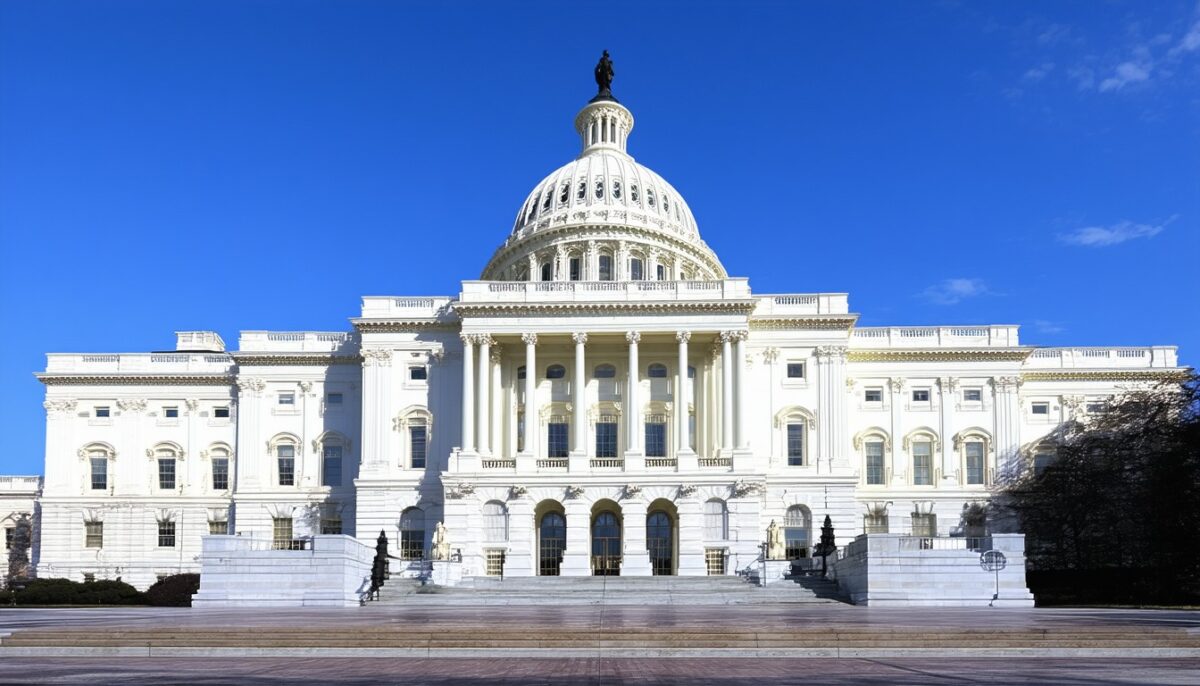

Few institutions in American government carry as much enduring influence as the United States Senate. Designed by the Founding Fathers as a critical element of the nation’s checks and balances, the Senate has functioned for over two centuries as both a legislative powerhouse and a safeguard of minority rights within the federal system. Its distinct structure and unique powers have shaped everything from landmark civil rights legislation to foreign policy decisions and Supreme Court confirmations. Understanding how the Senate operates—and why it matters—sheds light on the ongoing drama and negotiation that define American political life.
The Structure of the U.S. Senate
Composition and Membership
The U.S. Senate is comprised of 100 senators, with two representatives from each state regardless of population size. This framework was born out of the “Great Compromise” during the Constitutional Convention of 1787, giving every state equal representation in one chamber of Congress. Each senator serves a six-year term, with roughly one-third of the seats up for election every two years, ensuring ongoing continuity and the minimization of abrupt political swings.
Senators must meet specific requirements: they must be at least 30 years old, have been citizens for at least nine years, and reside in the state they represent. Compared to the 435-member House of Representatives, the Senate is smaller, more deliberative, and its members often have higher profiles on the national stage.
Leadership Roles and Organization
Internally, Senate leadership is structured to balance party interests and facilitate legislative business:
- The Vice President of the United States serves as the official President of the Senate but only votes to break ties.
- The Senate Majority Leader—often the most powerful figure—is responsible for setting the legislative agenda and managing floor proceedings.
- The Minority Leader, Whip positions, and a series of committee chairs round out the core leadership.
“The Senate was intentionally designed to cool the passions of the House, relying on longer terms and smaller numbers to foster debate and consensus,” notes congressional scholar Sarah Binder of the Brookings Institution.
Key Committees
Much of the Senate’s operational work happens in its committees. Major committees—such as Judiciary, Appropriations, Foreign Relations, and Armed Services—hold hearings, consider legislation, and oversee federal agencies. Committee assignments are highly coveted, enabling senators to develop expertise, shape policy, and deliver benefits to their home states.
Constitutional Powers of the Senate
Legislative Authority
Together with the House of Representatives, the Senate drafts, debates, amends, and passes legislation. Although both chambers must approve a bill for it to become law, the Senate’s procedures—such as the filibuster—give its members significant discretion to slow or block legislation. This unique dynamic is seen as both a strength and a frustration, depending on the issue and political climate.
Advice and Consent Responsibilities
Perhaps the most distinctive Senate power is its right to provide “advice and consent” on presidential appointments and treaties. Unlike the House, the Senate alone votes on:
- Presidential nominations to the federal judiciary, including the U.S. Supreme Court
- High-level executive branch appointees
- International treaties negotiated by the president
Confirmation hearings are often highly scrutinized, becoming focal points of national debate—particularly for Supreme Court justices or controversial cabinet nominees.
Impeachment Trials
While the House of Representatives has the sole power to impeach federal officials, the Senate has the “sole power to try all impeachments.” If a president, judge, or other federal official is impeached, the Senate acts as a court, with conviction requiring a two-thirds majority. In recent history, the Senate has conducted high-profile impeachment trials for presidents including Bill Clinton and Donald Trump, illustrating its unique constitutional authority.
Checks, Balances, and Procedural Nuances
The Filibuster and Cloture
A defining procedural feature of the U.S. Senate is the filibuster—a tactic by which a minority of senators can delay or block legislative action by extending debate. Ending a filibuster requires invoking “cloture,” which currently needs a three-fifths majority (60 votes). Over the years, debates over the filibuster’s merits have intensified, with some lawmakers calling for reform or abolition to speed up the legislative process.
While designed to encourage consensus, the filibuster has also been criticized for encouraging gridlock. Nonetheless, it sets the Senate apart from the House, granting greater leverage to minority groups and individual members.
Unanimous Consent and Holds
Daily operations often depend on a web of unwritten rules, including “unanimous consent” agreements to expedite routine business. Senators can also place “holds” on legislation or nominations, signaling opposition or requesting negotiation. This informal power amplifies the influence of individual senators—sometimes drawing sharp public criticism when used to stall key actions.
Key Functions in Practice: Case Studies and Real-World Impact
Shaping Major Legislation
The Senate’s ability to shape—and sometimes stall—major laws is legendary. The Affordable Care Act, for instance, required painstaking Senate negotiation and overcame a near-constant threat of filibuster. Similarly, recent bipartisan infrastructure bills highlight the complex coalition-building often necessary for legislative success.
Confirming Supreme Court Justices
Perhaps no function is more scrutinized than the Senate’s role in confirming Supreme Court justices. In recent years, contentious battles over nominees such as Brett Kavanaugh and Amy Coney Barrett have highlighted how Senate composition can profoundly affect the long-term direction of U.S. law. These confirmation hearings routinely draw national attention, signaling the high stakes involved.
Foreign Policy and Treaty Approval
The Senate has historically played a decisive role in ratifying treaties—accepting or rejecting pacts that can reshape global alliances. For example, the rejection of the Treaty of Versailles after World War I demonstrated the Senate’s power to shape foreign policy independently of the executive branch.
Evolving Trends and Contemporary Challenges
Modern dynamics—hyper-partisanship, increased transparency, and the 24-hour news cycle—have changed the face of the Senate over recent decades. The chamber faces ongoing debate over whether current procedural rules still serve the national interest or merely entrench stalemate. Calls to reform or eliminate the filibuster signal the tension between tradition and efficiency.
Public confidence in the Senate, and Congress more broadly, has fluctuated. Yet, the chamber’s enduring capacity to deliberate, negotiate, and restrain majoritarian impulses continues to play a crucial role in the American democratic experiment.
Conclusion: Enduring Influence and Modern Relevance
The U.S. Senate remains a cornerstone of national governance, wielding powers that resonate far beyond Capitol Hill. Its complex structure, elaborate procedures, and constitutional responsibilities ensure that no major law, appointment, or treaty is finalized without its assent. While criticized at times for fostering gridlock, the Senate’s design reflects a deep commitment to careful deliberation and protection of minority interests in American government. As the nation faces new challenges, the Senate’s role as both a check and a catalyst remains vital to the health of U.S. democracy.
FAQs
What is the difference between the U.S. Senate and the House of Representatives?
The Senate has two members from each state, serving six-year terms, while the House’s membership is based on population, with two-year terms. The Senate has unique powers such as confirming appointments and ratifying treaties.
How are senators elected?
Senators are elected by popular vote in statewide elections. Each senator represents their entire state and serves a six-year term, with elections staggered so about one-third of Senate seats are contested every two years.
What are the main powers of the U.S. Senate?
The Senate shares legislative authority with the House but has sole powers to confirm major appointments, ratify treaties, and conduct impeachment trials. These responsibilities set it apart within the federal government.
What is the purpose of the filibuster?
The filibuster allows a minority of senators to prolong debate and delay or block legislative actions. It is intended to encourage broad consensus but is often criticized for contributing to legislative gridlock.
Can the Senate remove a president from office?
The Senate can remove a president through the impeachment process, but this requires a two-thirds majority vote after a formal trial. Only after House impeachment does the Senate hold such a trial to determine removal.
Who leads the U.S. Senate?
The Vice President is the official President of the Senate but usually only votes to break ties. Daily leadership falls to the Senate Majority Leader, who manages legislative priorities and floor action.