
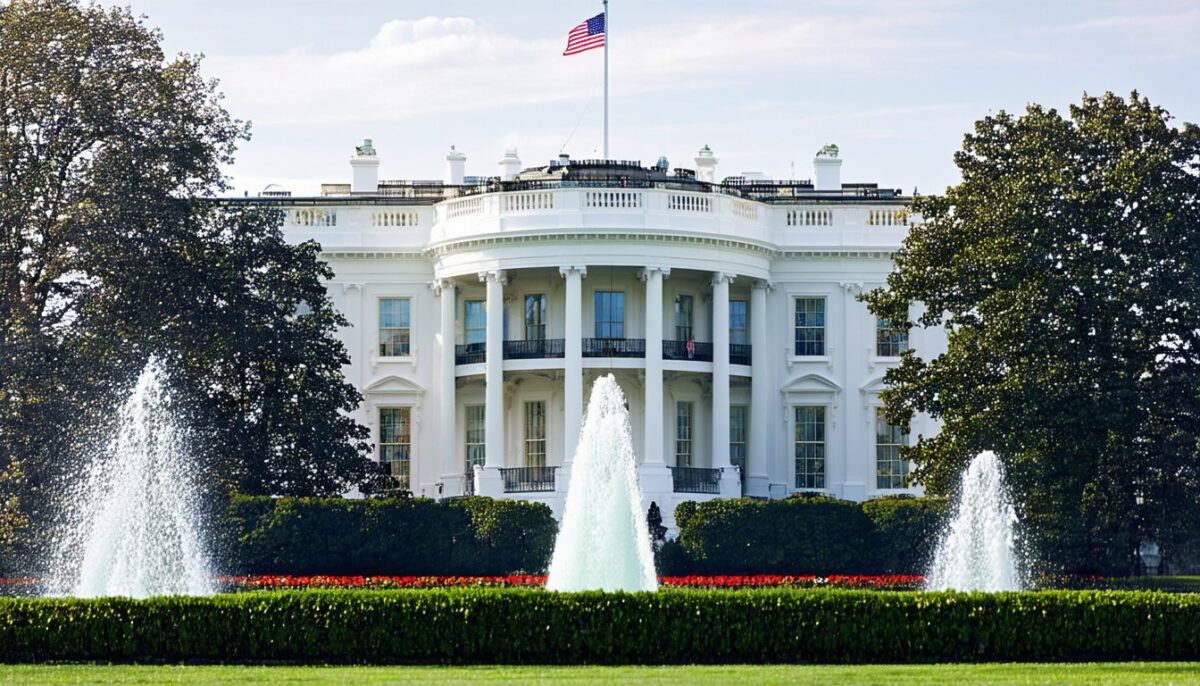

: Stay updated with the latest White House news, policy changes, and insights into the presidential administration. Explore in-depth analysis, insider perspectives, and expert commentary on all things White House.
The White House: America’s Political Powerhouse and Global Symbol
For more than two centuries, the White House has stood not only as a working office and residence for every U.S. president since John Adams, but as a globally recognized symbol of American political power and history. With a role that stretches from daily governance to crisis response and diplomacy, the White House is constantly in the world’s spotlight, shaping news cycles, influencing global policy, and serving as the nerve center of the U.S. executive branch.
White House News: Navigating a 24/7 Media Landscape
In a digitally connected era, the White House’s actions are magnified and scrutinized in real time. From official press briefings held in the James S. Brady Press Briefing Room to late-night executive orders posted online, every move made at 1600 Pennsylvania Avenue swiftly circulates across global media outlets.
Recent months have seen the White House contend with challenges on multiple fronts:
- Domestic Policy: Legislative battles over budget allocations, infrastructure, and health care remain front and center.
- Foreign Affairs: Crises such as the war in Ukraine and ongoing tensions in Asia and the Middle East demand careful messaging and action.
- National Security: Cybersecurity incidents and election integrity are persistent areas of concern and policy evolution.
As historian Doris Kearns Goodwin remarked:
“No other office in the world faces the same level of immediate scrutiny, expectation, and consequence. Every decision here makes history—sometimes in moments that last only minutes.”
This relentless scrutiny means the White House must balance transparency with strategic messaging, frequently adapting communication tactics to respond to emerging news and social trends.
Insider Insights: How White House Operations Shape Policy
Behind the iconic portico, coordinated teams handle an intricate web of tasks—from policy drafting in the West Wing to managing schedules, security, and communications. Senior advisors, press secretaries, and specialized policy staff meet daily to brief the president, prepare talking points, and react to shifting events both at home and abroad.
Policy Development: A Collaborative Process
Policy moves at the White House are rarely the result of top-down authority alone. Effective changes begin with intensive research and stakeholder consultation. Cabinet officials, agency representatives, and subject-matter experts collaborate to develop strategy documents, risk assessments, and implementation plans.
For example, the passage of the recent infrastructure bill required months of bipartisan negotiation, economic analysis, and outreach to state and local leaders. According to a former administration official, internal debates are often spirited, but these discussions ultimately lead to more robust policies.
The Press Corps: Bridging the White House and the Public
A key conduit for information, the White House press corps plays an essential role in holding power to account. Credentialed reporters from leading national and international outlets attend daily briefings, posing questions on everything from foreign engagements to scientific policies and ceremonial events. Their coverage not only shapes the news but also influences subsequent White House narratives.
Recent White House News and Developments
Legislative Priorities and Political Dynamics
Given the current political climate, the White House’s approach often reflects an interplay of public opinion, Congressional negotiations, and urgent global events:
- Bipartisan Agreements: Although gridlock frequently dominates headlines, recent working groups have reported progress on tech regulation, border security, and veterans’ health care.
- Executive Actions: Presidential directives have continued on climate change mitigation, student loan relief measures, and new cyber-defense initiatives.
- Judicial Appointments: The ongoing effort to nominate and confirm federal judges is one of the most consequential, though less publicly visible, aspects of White House strategy.
Managing Crises and Public Expectations
From pandemic response updates to emergency declarations during natural disasters, the White House is often tested by unexpected crises. In these moments, the president’s leadership and the clarity of official communication are especially critical. For instance, during the COVID-19 pandemic, daily briefings and data dashboards became central tools for reassuring the public and guiding response efforts.
The White House and International Relations
Diplomacy remains a defining aspect of White House work. Frequent meetings with foreign dignitaries, participation in multilateral summits, and direct communications with international allies shape U.S. strategy on trade, defense, and humanitarian concerns. In recent years, initiatives like the re-engagement with global climate accords and support for Ukrainian sovereignty have underscored the White House’s central role on the world stage.
Technology, Transparency, and Public Engagement
The modern White House leverages technology more than ever—ranging from social media platforms like Twitter, Instagram, and YouTube to the revamped WhiteHouse.gov portal offering real-time updates. These tools allow for direct outreach, enhanced transparency, and the ability to counter misinformation far more quickly than in previous generations.
However, this immediacy brings challenges, including rapid news cycles and the spread of viral misinformation. White House communications teams now monitor trending topics continuously to ensure that official responses are timely, accurate, and resonate with diverse audiences.
The People Behind the Presidency
Beyond the president and vice president, hundreds of staffers—from national security advisors to legislative liaisons and chefs—help the White House function smoothly. Many rise to prominence during key moments, whether coordinating responses during emergencies or advocating for transformational policies. Their expertise and dedication often play a decisive role in the administration’s success.
Key Takeaways and Forward Outlook
The White House’s influence extends far beyond ceremonial symbols; its everyday operations set the tone for national policy, global alliances, and public sentiment. As politics, technology, and media evolve rapidly, so do the challenges and opportunities facing those who work behind its iconic walls. Effective leadership, open communication, and a commitment to fact-based governance remain as essential as ever.
FAQs
How often does the White House release official statements?
The White House releases statements and press briefings daily, particularly during periods of significant legislative activity or crisis. Communications are distributed through the official website, social media, and in scheduled press briefings.
Who works inside the White House?
The White House is home to the president, vice president, their immediate families, and a permanent staff that includes advisors, policy experts, press officers, and support personnel who manage daily operations and policy implementation.
What are the main functions of the White House?
Its primary functions include serving as the president’s residence, managing executive branch operations, hosting diplomatic meetings, and issuing policy directives. The site is also a national historic landmark and tourist destination.
How are decisions made in the White House?
Decisions typically involve collaboration among senior staff, consultation with federal agencies, and input from policy experts. The president has ultimate authority but often relies on extensive briefings and debate before finalizing major actions.
How can citizens keep up with the latest White House news?
Citizens can follow updates via reputable news organizations, the official White House website, and verified social media channels. Attending public briefings or reading press releases can also provide timely insight.