Key takeaways
- Crypto regulation is several overlapping areas - securities, exchanges, stablecoins, tax, consumer protection - not one rule.
- Rules differ by country and change over time, so 'crypto is legal/banned' is almost always too simple.
- Reputable exchanges verify identity (KYC) because anti-money-laundering rules require it.
- Read regulation news by asking which country, which activity, proposal or law, and when it takes effect.
The quick version: “Crypto regulation” is not one rule – it is several overlapping areas (what counts as a security, how exchanges must operate, stablecoin rules, tax, and consumer protection), and it differs from country to country and changes over time. You do not need to be a lawyer, but knowing the categories helps you read the news without panicking or cheering at every headline.
Why regulation is so confusing
Crypto crosses borders, but laws do not. A token or service treated one way in one country may be treated completely differently in another, and rules are still evolving everywhere. That is why blanket statements like “crypto is legal” or “crypto is banned” are almost always too simple. The honest framing is: it depends on the jurisdiction, the specific activity, and the moment.
The main categories
Securities law. Regulators ask whether a given token is closer to an investment contract (a security) or something else. The answer affects who can offer it and what disclosures are required. This is one of the most contested areas in crypto.
Exchange and custody rules. Many jurisdictions require platforms that let people buy, sell or hold crypto to register, follow anti-money-laundering rules, and verify customer identity through KYC checks. That is why reputable exchanges ask for your ID.
Stablecoins. Because stablecoins touch the payments system, they attract specific attention around reserves, redemption and disclosure. Rules here are developing quickly.
Tax. Most tax authorities treat crypto as property or an asset, meaning transactions can have tax consequences. We cover the general principles in How Crypto Taxes Generally Work.
Consumer protection. Rules on advertising, disclosures and fraud aim to protect ordinary buyers – though enforcement varies widely.
Investment products and CBDCs
Regulation also shapes how traditional investors access crypto. The approval of a regulated Bitcoin ETF in some markets, for example, gave institutions a familiar wrapper for exposure. Separately, governments are exploring their own central bank digital currencies, which are a different animal entirely – state-issued digital money, not decentralised crypto.
What regulation means for you as a user
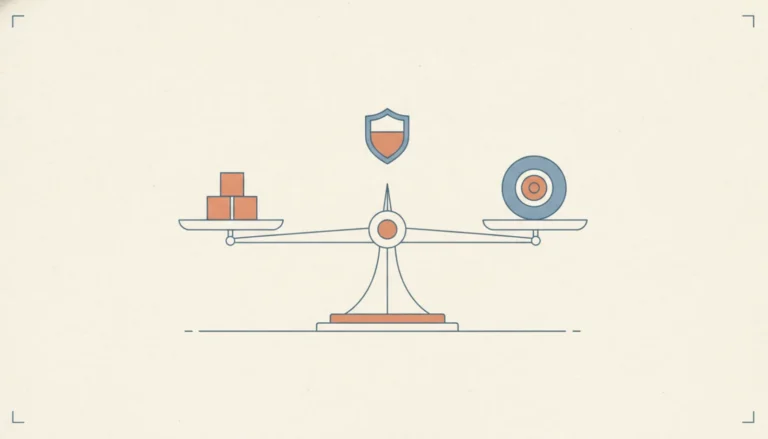
Regulation is neither the villain nor the saviour it is often painted as. Sensible rules can reduce fraud, push shady operators out, and give honest businesses clear ground to stand on – all of which protect ordinary users. Heavy-handed or unclear rules can also push activity into less accountable corners or make legitimate services harder to access. For you, the practical upshot is simple: prefer platforms that take compliance seriously, keep your own records, and understand that the rules where you live – not the loudest voice online – are what actually apply to you. Compliance friction such as identity checks is usually a sign a platform is operating properly, not a reason to avoid it.
How to follow regulation news sanely
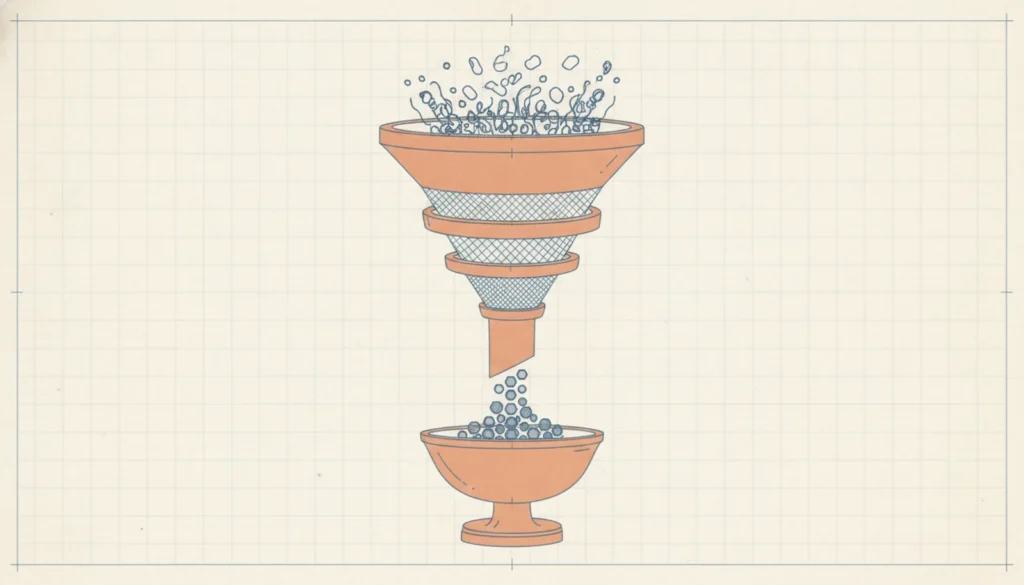
Headlines exaggerate. Before reacting, ask: which country, which specific activity, is this a proposal or a law, and when does it take effect? A proposed rule in one jurisdiction is not a global ban, and an approval in another is not a universal green light. Reading regulation this way keeps you grounded.
This article is educational and is not legal or financial advice. Rules vary by country and change frequently. For decisions that depend on the law where you live, consult a qualified professional.
The takeaway
Crypto regulation is a set of distinct areas – securities, exchanges, stablecoins, tax, consumer protection – applied differently across jurisdictions and still evolving. Knowing the categories lets you read the news critically instead of emotionally. Before you buy or use anything, our lesson on buying your first crypto safely covers the practical, compliant basics.
Frequently asked questions
Is cryptocurrency legal?
It depends on where you are and what you are doing. Many countries permit owning and trading crypto under specific rules; some restrict or ban certain activities. There is no single global answer, and rules change.
Why do exchanges ask for my ID?
Because anti-money-laundering and know-your-customer (KYC) rules in many jurisdictions require regulated platforms to verify customer identity. It is a standard compliance requirement, not a red flag.
Does a Bitcoin ETF approval mean crypto is fully approved everywhere?
No. An ETF approval in one market gives investors there a regulated way to gain exposure, but it does not change the rules in other jurisdictions or make every crypto activity approved.
Last updated Jul 14, 2026