Key takeaways
- Proof of work and proof of stake are two ways a blockchain reaches consensus without a central authority.
- Proof of work (mining) secures the network with computing power and energy; Bitcoin uses it.
- Proof of stake (staking) secures the network with locked-up coins and penalties for cheating; Ethereum switched to it in 2022.
- Neither is simply better - they trade off energy, cost and decentralisation differently.
The quick version: Proof of work and proof of stake are two ways a blockchain agrees on which transactions are valid without a central authority. Proof of work uses computing power (mining); proof of stake uses locked-up coins (staking). Each secures the network differently and makes different trade-offs around energy, cost and decentralisation.
The problem both are solving
A blockchain has no boss to decide what is true. So it needs a way for a distributed network to agree on one shared history and to make cheating expensive. That agreement mechanism is called consensus, and proof of work and proof of stake are the two dominant approaches. Both make attacking the network costly – they just impose the cost in different currencies.
Proof of work: security through energy
In proof of work, computers called miners compete to solve a hard mathematical puzzle. The winner adds the next block and earns a reward. Solving the puzzle takes real electricity and specialised hardware, which is the point: rewriting history would mean out-computing the entire honest network, which is prohibitively expensive. Bitcoin uses proof of work, and its security is often summarised by its hash rate – the total computing power defending it. The trade-off is significant energy use.
Proof of stake: security through capital
In proof of stake, there are no miners. Instead, validators lock up (stake) the network’s coins for the right to propose and confirm blocks. Behave honestly and you earn rewards; try to cheat and you can lose part of your stake, a penalty called slashing. Ethereum switched to proof of stake in 2022, cutting its energy use dramatically. The trade-off shifts from energy to capital: security now rests on the value staked rather than the electricity burned. Our lesson on mining vs staking walks through both in more depth.
Comparing the trade-offs
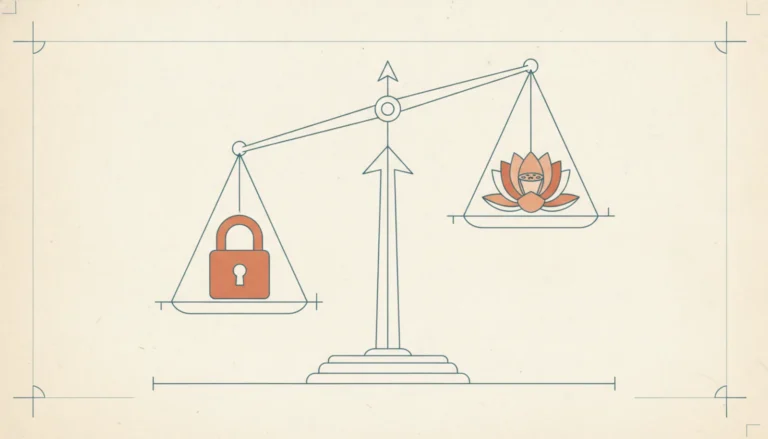
Proof of work is battle-tested and simple in concept, but energy-hungry and reliant on access to cheap power and hardware. Proof of stake is far more energy-efficient and lets more people participate by staking, but it is newer and raises different questions – for instance, whether large holders gain outsized influence. Neither is simply “better”; they optimise for different things, which is why Bitcoin and Ethereum made different choices.
What it means for you as a user
For most everyday users, the consensus mechanism is invisible – you send and receive crypto the same way regardless. Where it matters is in what a network optimises for and the debates you will read about it. If you care about energy use, proof of stake has a clear edge. If you value a long, unbroken track record and maximal simplicity, proof of work’s decade-plus of operation is a point in its favour. And if you plan to earn rewards by helping secure a network, that option only exists on proof-of-stake chains through staking. Knowing which model a coin uses helps you understand its priorities rather than take a side in a tribal argument.
This article is educational and is not financial advice. The consensus mechanism a coin uses is one factor among many and does not tell you what its price will do. Do your own research.
The takeaway
Both mechanisms turn cheating into an expensive mistake – proof of work through electricity, proof of stake through staked capital. Understanding the difference helps you read the endless “which is better” debates with a clear head. If you are curious whether staking is worth participating in, continue with Is Staking Worth It? and try the numbers in our staking calculator.
Frequently asked questions
What is the main difference between proof of work and proof of stake?
Proof of work secures a blockchain using computing power and electricity (mining), while proof of stake uses locked-up coins and penalties (staking). Both make attacking the network expensive, just in different ways.
Why did Ethereum switch to proof of stake?
Primarily to cut its very high energy use and change how the network is secured. The 2022 switch, known as The Merge, reduced Ethereum's energy consumption dramatically while keeping the chain running.
Is proof of stake more secure than proof of work?
Neither is simply more secure - they make different trade-offs. Proof of work is older and energy-intensive; proof of stake is efficient and newer, with its own open questions. The consensus model is one factor among many.
Last updated Jul 14, 2026