Key takeaways
- Dollar-cost averaging invests a fixed amount on a schedule instead of a lump sum, smoothing your average entry price.
- Its biggest benefit is behavioural - it removes timing pressure and the regret of buying at a bad moment.
- It is not a return-maximiser: a lump sum can beat it in a steady rise, and it does not save you from an asset that keeps falling.
- DCA manages timing and emotion, not the underlying choice of what to buy - and only within what you can afford.
The quick version: Dollar-cost averaging (DCA) means investing a fixed amount at regular intervals rather than a lump sum all at once. Its biggest benefit is behavioural – it removes the pressure of timing and reduces the sting of buying at a bad moment. It is not a way to maximise returns or eliminate risk, and honest coverage says so.
How DCA works
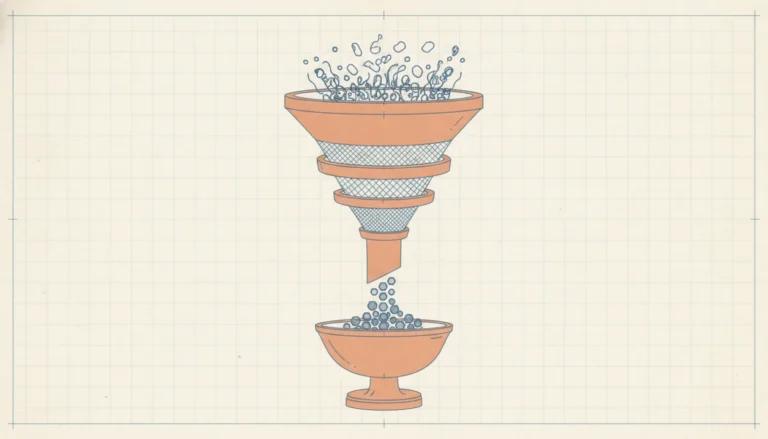
Instead of putting, say, a whole amount in on a single day, you split it into equal parts and buy on a schedule – weekly or monthly, regardless of price. When prices are lower you get more per purchase; when higher, less. Over time your average entry price smooths out the extremes. You can model schedules with our DCA calculator, which is an educational planner, not a forecast.
The real benefit is behavioural
The strongest case for DCA is psychological. Trying to time a volatile market is stressful and, for most people, unsuccessful. DCA sidesteps the question entirely: you commit to a routine and follow it, which removes the paralysis of waiting for the “right” moment and the regret of buying just before a drop. For anyone prone to emotional decisions – which is nearly everyone – that discipline is worth a lot, as our look at market cycles explains.
The honest trade-offs
DCA is not free of downsides. If an asset mostly rises over your buying period, a lump sum invested earlier would have done better – so DCA can lag in a straight bull run. It also does not protect you from an asset that simply keeps falling; averaging into something heading to zero just means losing money more slowly. DCA manages timing risk and emotion; it does not fix a bad choice of what to buy. That choice still requires the research in Fundamental Analysis for Crypto.
Keeping it simple and consistent
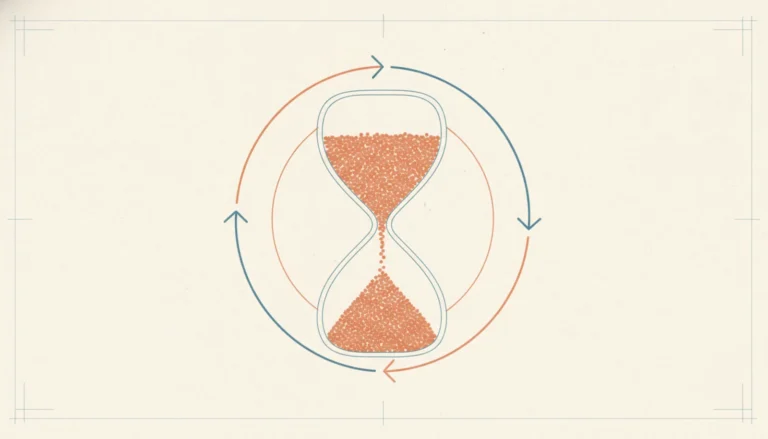
The power of DCA comes almost entirely from consistency, so the best version is the one you will actually stick to. Pick an interval that matches how you earn and think – many people use monthly – and an amount that comfortably fits your budget with room to spare. Then automate or diarise it, and try to ignore the price on any given buy day; reacting to short-term moves defeats the whole purpose. A plan you follow calmly for a long time beats a clever one you abandon the first time the market gets scary.
Who DCA tends to suit
DCA fits people investing gradually from regular income, those uncomfortable with timing decisions, and anyone who wants a rule that keeps emotion out of the process. It suits a long-term, patient temperament far better than an active-trading one. Crucially, it works only if you keep the amounts within what you can genuinely afford – a schedule is not a licence to overcommit.
This is educational content, not financial advice or a recommendation to invest in any asset. DCA does not guarantee a profit or protect against loss in a falling market. Crypto is volatile – never invest more than you can afford to lose, and do your own research.
The takeaway
Dollar-cost averaging is a discipline for removing timing stress, not a trick for beating the market. Its value is behavioural: a simple rule that keeps you consistent and calm. Pair it with sensible position sizing from Risk Management for Crypto Traders and the broader plan in portfolio and risk management.
Frequently asked questions
Does dollar-cost averaging guarantee a profit?
No. DCA smooths your entry price and removes timing stress, but it cannot protect you from an asset that keeps falling, and a lump sum can outperform it in a steady rise. It manages timing risk, not the risk of a bad choice.
Is DCA better than investing a lump sum?
It depends. Historically, lump sums can outperform when an asset mostly rises over the period, while DCA reduces the risk and regret of buying everything at a peak. DCA's main edge is behavioural consistency, not maximum return.
Who is dollar-cost averaging best suited to?
People investing gradually from regular income and those who want a simple rule to keep emotion out of timing. It suits a patient, long-term temperament - and only works if each purchase stays within what you can afford to lose.
Last updated Jul 14, 2026