
In early 2021, the financial world watched in disbelief as shares of GameStop—an embattled video game retailer—skyrocketed in value, fueled by a surge of retail trader enthusiasm. This event, amplified by social media platforms like Reddit’s r/WallStreetBets, reflected a striking transformation in how market trends could be shaped not by institutional giants, but by digitally connected individuals. Financial institutions, including global leaders such as JPMorgan Chase, swiftly turned their analytical focus to the forces at play behind the GameStop rally. JPMorgan’s subsequent analyses provide critical insights into the mechanics of this surge, its enduring ramifications for market dynamics, and what it means for investors navigating this new era of volatility.
Understanding the GameStop Rally: A New Era of Retail Influence
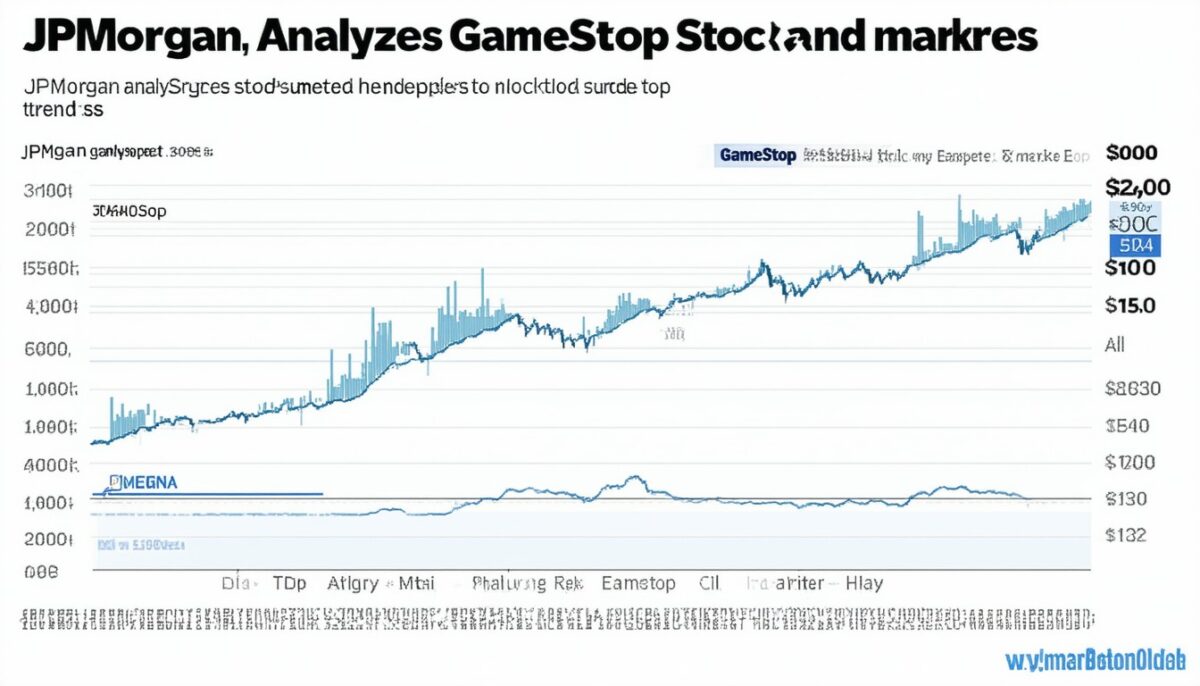
The GameStop episode was not the first time retail investors banded together, but it stands as one of the most forceful illustrations of collective action. Confronted by a company in decline and disproportionately shorted by hedge funds, retail investors coordinated large-scale buying that caused a dramatic short squeeze. This led to GameStop’s share price swelling by several hundred percent within days, sparking controversy about market fairness and transparency.
JPMorgan analysts observed that this movement was driven by a unique confluence of factors:
- Social Media Coordination: Platforms like Reddit enabled rapid information sharing and a sense of collective identity, allowing decentralized investors to act nearly in unison.
- Enhanced Trading Access: The rise of zero-commission platforms such as Robinhood lowered barriers to entry, making it easier for individual traders to participate.
- High Short Interest: With much of GameStop’s float shorted, even modest coordinated buying triggered powerful forced liquidations among bearish hedge funds.
These elements reinforced each other, creating volatility rarely seen in single stocks. As a result, established financial actors were forced to rapidly reassess risk, liquidity, and the market impact of “retail-traded names.”
JPMorgan’s Technical Analysis: Decoding Volatility and Momentum
To dissect these dynamics, JPMorgan deployed advanced quantitative models and technical analysis frameworks. Their analysts identified several pivotal patterns and signals during the GameStop surge:
Short Squeezes and Gamma Squeezes
A conventional short squeeze occurs when rising asset prices force short sellers to buy back stock at escalating prices to cover their positions, which further lifts the price. However, JPMorgan highlighted the compounding effect of a “gamma squeeze.” Here’s how this worked for GameStop:
- As retail traders bought large quantities of call options, market makers were compelled to hedge by purchasing the underlying stock, amplifying upward price momentum.
- This buying cascade led to increased volatility—both actual and implied—creating feedback loops not typically seen in traditional trading environments.
“The GameStop surge revealed how coordinated retail flows, option dynamics, and high short interest can form a combustible mix. Market risk models must now account for meme-stock momentum and social media sentiment shifts.”
— JPMorgan Equity Derivatives Research
Institutional Containment and Liquidity Risk
JPMorgan also noted that institutional investors faced unexpected containment challenges. Forced buying by short sellers, coupled with margin call requirements, created sharp liquidity crunches and outsized market swings. Many hedge funds suffered historic losses, prompting risk departments across Wall Street to revisit their exposure models and position limits.
Regulatory Blindsides and Systemic Concerns
The role of trading platforms drew intense scrutiny during the GameStop episode, as several brokers temporarily restricted trading in “meme stocks” to maintain capital requirements. JPMorgan’s post-mortem highlighted potential systemic risks, emphasizing the need for better stress testing and market infrastructure resilience in the age of viral trading.
Broader Market Trends: Lessons and Implications
The GameStop saga was a harbinger of broader market trends that have since reshaped financial strategy and risk management.
Rise of Meme Stocks and Social Trading
Many companies perceived as unlikely investment vehicles, such as AMC Entertainment and Bed Bath & Beyond, experienced similar surges as retail sentiment spread. This trend, often labeled the “meme stock movement,” has pushed institutional players to monitor alternative data sources (social media signals, online sentiment) as closely as classic financial metrics.
Increased Market Volatility
The sustained volatility following the GameStop surge forced both retail and institutional investors to adapt. Market-wide risk indicators, as tracked by indices like the VIX, spiked in tandem with these events, signaling a new era where single-name volatility can ripple through larger sectors.
Shifts in Regulatory Posture
Regulatory agencies, including the SEC and FINRA, initiated reviews of market mechanics, order flow payment structures, and transparency measures. JPMorgan’s briefings have underscored the importance of well-calibrated safeguards, particularly as algorithmic trading and digital platforms become more intertwined with retail flows.
JPMorgan’s Strategic Takeaways and Forward Outlook
In the months and years following the GameStop episode, JPMorgan’s approach has been shaped by important lessons:
- Continuous Monitoring: Adopting real-time monitoring of unusual trading activity, especially in stocks with high short interest and option activity.
- Risk Adjustment: Recalibrating risk and liquidity models to include the possibility of meme-driven surges.
- Investor Education: Emphasizing the importance of understanding market mechanics, the risks of speculative trading, and the dangers of herd behavior.
Looking ahead, JPMorgan projects that retail trading will remain a significant force, albeit subject to regulatory guardrails and evolving technological platforms. The integration of alternative data, sentiment analysis, and improved surveillance tools has become central to forecasting and managing future events in the market.
Conclusion: Redefining Market Dynamics in a Digital Age
The GameStop phenomenon stands as a landmark case study in the shifting landscape of equity markets. JPMorgan’s analysis reveals how a confluence of digital activism, option-driven momentum, and high-profile short interest can overturn conventional trading wisdom. As financial markets increasingly intersect with retail communities and technology, both investors and institutions must adapt—prioritizing agility, enhanced risk assessment, and a keen eye on emerging trends. The lessons from GameStop are not just about a single stock, but about the democratization—and unpredictability—of modern investing.
FAQs
What sparked the GameStop stock surge?
A combination of coordinated buying by retail investors, high short interest, and viral momentum on social media platforms caused GameStop’s stock price to surge rapidly in early 2021.
How did JPMorgan analyze the market trends behind GameStop’s rise?
JPMorgan used technical models to study volatility, tracked option activity and short squeezes, and assessed the role of social media sentiment in shaping price movements and risk exposure.
What is a gamma squeeze, and why was it relevant?
A gamma squeeze occurs when options activity forces market makers to buy underlying shares as hedge, intensifying price increases. This was a major factor in GameStop’s unusual rally.
Did GameStop’s surge impact broader market regulations?
Yes. The volatility and trading restrictions that emerged led regulators to review market infrastructure, order processing, and risk management, with a focus on protecting both retail and institutional participants.
Are meme stocks still influencing the market?
Meme stocks continue to draw waves of speculative interest. While not as extreme as the original GameStop event, retail-driven volatility remains a relevant factor in today’s equity markets.
What are some new risks identified by JPMorgan in the wake of the event?
Key risks include liquidity crunches due to rapid price shifts, insufficient risk modeling for internet-driven surges, and the need to monitor alternative data sources like social sentiment alongside traditional financial analysis.