Key takeaways
- Altcoins carry extra risks beyond volatility: thin liquidity, scheduled supply unlocks, ownership concentration and narrative dependence.
- Low liquidity can make an altcoin easy to buy and hard to sell at the price you expect.
- Read the tokenomics to spot large future unlocks and heavy insider ownership before you buy.
- Manage the risk with position sizing and diversification - decide your limit in advance and treat the money as truly at risk.
The quick version: Altcoins can move faster than Bitcoin in both directions, and they carry risks that large, established assets do not. The point of knowing them is not to scare you off – it is to help you size your exposure sensibly and avoid the traps that catch beginners most often.
An “altcoin” is simply any cryptocurrency other than Bitcoin. That covers everything from serious, established networks to coins created last week as a joke. Lumping them together is the first mistake; treating them all as equally safe is the second.
Liquidity risk
Many altcoins trade thinly. Low liquidity means that buying or selling even a modest amount can move the price against you, and in a panic there may be few buyers at all. A coin that looks fine on a calm day can become very hard to exit on a bad one. Always check how much real volume an asset trades before assuming you can get out at the price you see.
Supply and unlock risk
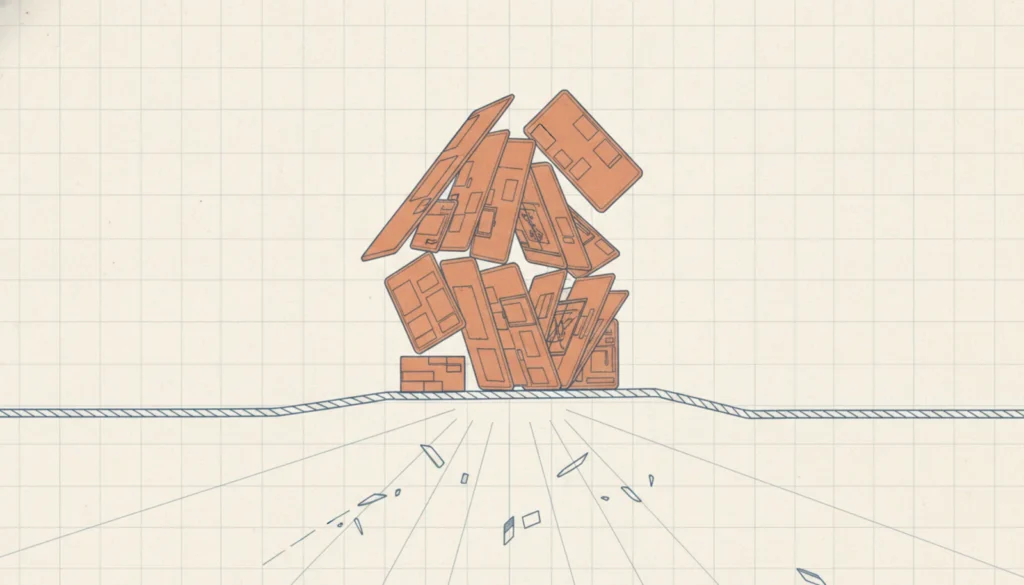
Some tokens release large amounts of new supply on a schedule. These “unlocks” hand tokens to early investors and teams, who may sell – increasing supply and pressuring the price regardless of how the project is doing. A coin can have a small amount trading today and a much larger amount waiting to enter circulation. Reading the tokenomics before you buy is the only way to see this coming, which is why we cover it in Reading Tokenomics Without Getting Fooled.
Concentration risk
If a handful of wallets hold most of a coin, those whales can move the market almost at will. High concentration means you are along for the ride on decisions made by a few large holders you cannot see or predict. Widely distributed ownership is generally healthier, though even that is not a guarantee – it simply removes one obvious failure mode.
Volatility and leverage risk
Altcoins routinely swing far more than Bitcoin, and that is before anyone adds borrowed money. Using leverage to amplify an already volatile asset is how beginners lose the fastest: a modest adverse move can trigger a liquidation that wipes out the position entirely. If you are new, treat leverage as an advanced tool you do not need, and let the asset’s own volatility be more than enough excitement.
Narrative risk
Altcoins often rally on stories – a hot sector, a partnership rumour, a viral moment. Narratives can lift a coin quickly and abandon it just as fast. Buying a story rather than a substance leaves you exposed when attention moves on. The best defence is the research process in How to Research a New Altcoin.
Outright fraud
At the worst end sit scams: rug pulls, where developers abandon a project and vanish with the funds, and pump and dumps engineered to trap late buyers. Our lesson on avoiding crypto scams covers the warning signs in detail.
This is educational content, not financial advice. Altcoins are high-risk and many lose most or all of their value. Never invest more than you can afford to lose, and do your own research.
Managing the risk
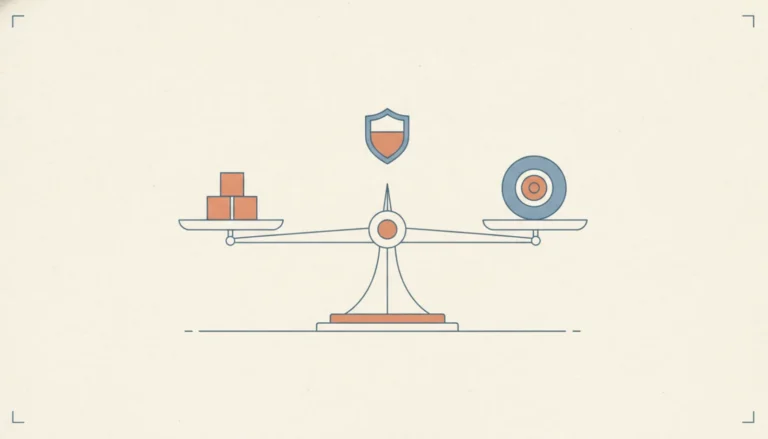
None of this means altcoins are off-limits – it means position size and diversification matter more, not less. Decide in advance how much of your portfolio you are willing to risk on higher-risk assets, and treat that money as genuinely at risk. Our lesson on portfolio and risk management puts a framework around it. And whatever you hold, keep it secure – review Hot Wallet vs Cold Wallet to decide how.
Sources
Frequently asked questions
Are altcoins riskier than Bitcoin?
Generally yes. Most altcoins are smaller, less liquid and less established, which tends to mean larger swings and a higher chance of failure. Risk varies enormously between a major network and a brand-new token.
What is a token unlock and why does it matter?
An unlock is a scheduled release of tokens to insiders or early investors. It increases the circulating supply and can pressure the price if those holders sell, regardless of how the project is performing.
How much of my portfolio should be in altcoins?
There is no universal answer, and this is not advice. The sensible principle is to decide a limit in advance based on your own risk tolerance and to treat higher-risk holdings as money you can afford to lose entirely.
Last updated Jul 14, 2026